malaysian naturalist, june 2014
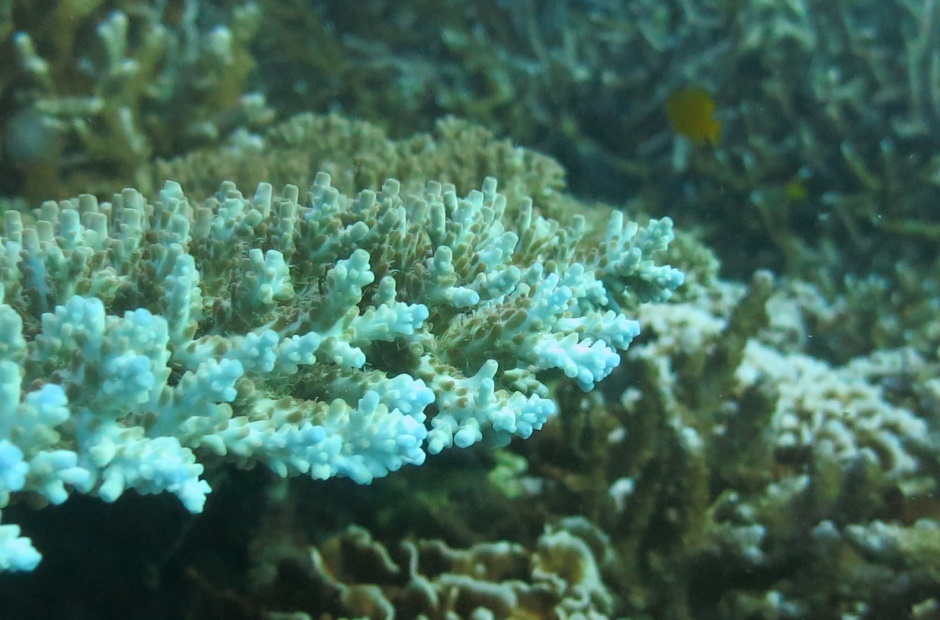
Coral bleaching affects reefs surrounding Malaysia's best marine destinations, including Tioman island (Credit: East Divers Tioman)
IT USED to be a rare occurrence. However, in the past few decades, the world has seen more occasions when the ocean’s reefs have been blighted by this phenomenon – the whitening of its corals.
Where once reefs shone with a myriad of colours, all the vibrancy bleached away, most recently in 2010, and before that, catastrophically in 1998, including here in Malaysia. This was followed by the death of corals in some areas, and the consequential death of the reef itself, as the many marine creatures that survive on the reef find other places to shelter and feed.
What happens is that changes in the sea cause corals to expel the zooxanthellae algae living within their cells that provide colour, food and energy. In terms of temperature, a rise above the corals’ stress threshold – 1°C above the locality’s highest mean temperature – forces this symbiotic algae into overdrive in producing oxygen, which can be toxic to its host. So it is expelled, revealing the corals’ colourless limestone skeleton and exposing them to possible fatality if they cannot recover. On Langkawi’s Payar island, for example, the 1998 bleaching obliterated its community of branching coral, and up until 2002, the species had not recovered.
This affects not only scuba diving or other reef industries but our coastlines in general, as reefs are nature’s breakwater that protects the shore from the destructive pounding of the waves. To put a number on it, Reef Check Malaysia in its Economic Value of Malaysia’s Coral Reefs report estimates it at RM145 billion per year (based on a 2009 report by The Economics of Ecosystems and Biodiversity).
The good news is that most of our reefs survived these changes and bounced back. The bad news: the time the reef needs to recover is detrimental to its health. Corals grow very slowly, and the energy expanded in repairing itself means other enterprises, such as growth, are on hold. Therefore, each bleaching occurrence sets the reef back several years, or even decades. The more frequently mass coral bleaching happens, the less viable the reef gets as it struggles to rebound in health in the time available until the next temperature change occurs.
The worse news is, just four years after the last event, it is happening again. In May, divers started reporting bleaching in Malaysian waters and as far as the Gulf of Thailand and Bali. What are we, the public, to do? Nothing much, when it comes to things beyond our control.
According to Kee Alfian, Lecturer/Reef Ecologist at Universiti Kebangsaan Malaysia, the rise and fall in sea temperature is a normal occurrence, and mass coral bleaching can happen during a major meteorological event, such as El Nino. Nevertheless, global warming has caused El Nino to occur more often than it used to, thus also affecting corals.
“Malaysia’s sea temperatures have increased consistently since January and February, and there are initial signs of bleaching, similar to 2010 but yet to reach its peak. Reports from the ground show that our seas are currently at 30°C (1°C below the stress threshold in the locality), but the rains are expected to help cool them down,” he says via phone from Sibu island where he is involved in dugong research.
Where once reefs shone with a myriad of colours, all the vibrancy bleached away, most recently in 2010, and before that, catastrophically in 1998, including here in Malaysia. This was followed by the death of corals in some areas, and the consequential death of the reef itself, as the many marine creatures that survive on the reef find other places to shelter and feed.
What happens is that changes in the sea cause corals to expel the zooxanthellae algae living within their cells that provide colour, food and energy. In terms of temperature, a rise above the corals’ stress threshold – 1°C above the locality’s highest mean temperature – forces this symbiotic algae into overdrive in producing oxygen, which can be toxic to its host. So it is expelled, revealing the corals’ colourless limestone skeleton and exposing them to possible fatality if they cannot recover. On Langkawi’s Payar island, for example, the 1998 bleaching obliterated its community of branching coral, and up until 2002, the species had not recovered.
This affects not only scuba diving or other reef industries but our coastlines in general, as reefs are nature’s breakwater that protects the shore from the destructive pounding of the waves. To put a number on it, Reef Check Malaysia in its Economic Value of Malaysia’s Coral Reefs report estimates it at RM145 billion per year (based on a 2009 report by The Economics of Ecosystems and Biodiversity).
The good news is that most of our reefs survived these changes and bounced back. The bad news: the time the reef needs to recover is detrimental to its health. Corals grow very slowly, and the energy expanded in repairing itself means other enterprises, such as growth, are on hold. Therefore, each bleaching occurrence sets the reef back several years, or even decades. The more frequently mass coral bleaching happens, the less viable the reef gets as it struggles to rebound in health in the time available until the next temperature change occurs.
The worse news is, just four years after the last event, it is happening again. In May, divers started reporting bleaching in Malaysian waters and as far as the Gulf of Thailand and Bali. What are we, the public, to do? Nothing much, when it comes to things beyond our control.
According to Kee Alfian, Lecturer/Reef Ecologist at Universiti Kebangsaan Malaysia, the rise and fall in sea temperature is a normal occurrence, and mass coral bleaching can happen during a major meteorological event, such as El Nino. Nevertheless, global warming has caused El Nino to occur more often than it used to, thus also affecting corals.
“Malaysia’s sea temperatures have increased consistently since January and February, and there are initial signs of bleaching, similar to 2010 but yet to reach its peak. Reports from the ground show that our seas are currently at 30°C (1°C below the stress threshold in the locality), but the rains are expected to help cool them down,” he says via phone from Sibu island where he is involved in dugong research.
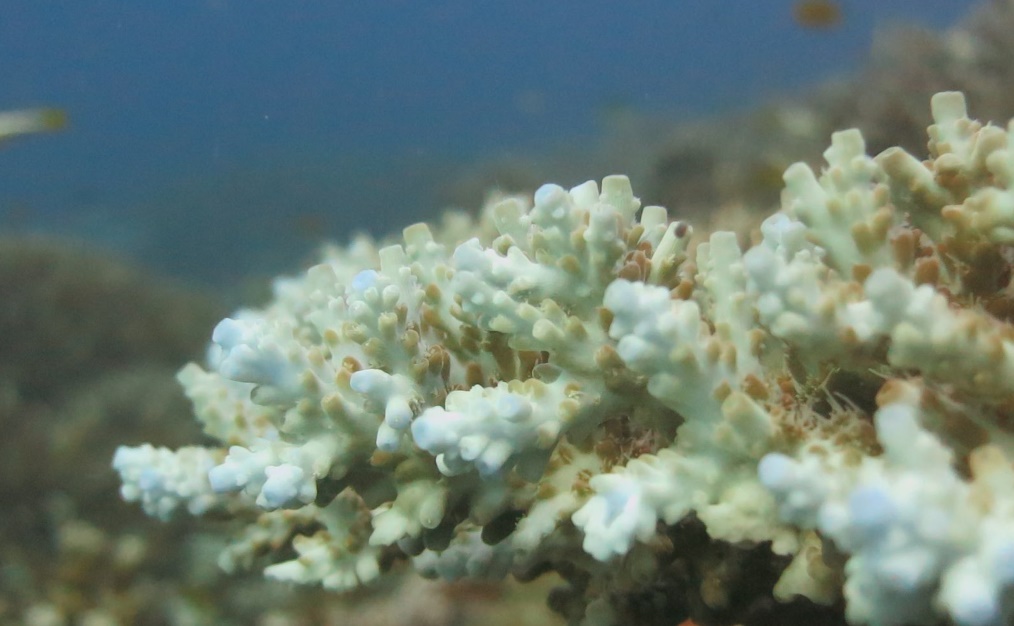
The fear, however, is another Super El Nino in June or July causing mass coral bleaching more catastrophic than in 1998, as the reefs are still recovering from the 2010 event. That is why local marine biologists are monitoring the situation, as well as an emergency meeting called by the Ministry of Natural Resources and Environment at the end of May that will discuss this phenomenon and action to be taken.
The aim, Kee Alfian says, is to manage the situation better than they did in the past, when data was collated and given to the authorities, yet nothing was done to protect the reefs. “We (referring to Universiti Malaya’s Coral Reef Ecologist Affendi Yang Amri and Reef Check Malaysia’s Julian Hyde) are also working on a Bleaching Response action plan to try and reduce potential stress to the reefs.”
And yes, such an action plan might include limiting the affected reef’s exposure to things we can control, namely stress from the human element. Kee Alfian says aside from the weather, the main form of stress is tourist activities. “People who snorkel and dive may inadvertently break corals, while the presence of tourists results in increased pollution in terms of wastewater comprising detergents, soaps and shampoos, and even sewage, flowing straight into the sea.”
Possible solutions include closing at-risk dive sites and reducing tourist numbers to the affected islands, and where construction is happening, a moratorium on work to give corals their much-needed recovery time.
The important thing is for the authorities to be well informed and work in a systematic manner, to avoid the panic in 2010 when reactions included premature closure of dive sites and backlash from an uninformed public.
Affendi says, “We hope to provide first warnings with detailed information to relevant authorities and stakeholders, so that they understand what is happening and react accordingly. We hope that this time, decisions are made in a step-by-step fashion; find out where bleaching is happening, assess the levels and then make a decision. The action plan has five levels with regard to bleaching intensity and suggested actions to be taken. Currently it is at Level 1, so we hope the authorities will be able to start using the suggested actions of Level 1 soon.”
And when those actions are taken, it is time for lovers of the ocean to play our part, in respecting the corals’ need to be left in peace to recover, and hopefully bounce back stronger and more vibrant than ever.
The aim, Kee Alfian says, is to manage the situation better than they did in the past, when data was collated and given to the authorities, yet nothing was done to protect the reefs. “We (referring to Universiti Malaya’s Coral Reef Ecologist Affendi Yang Amri and Reef Check Malaysia’s Julian Hyde) are also working on a Bleaching Response action plan to try and reduce potential stress to the reefs.”
And yes, such an action plan might include limiting the affected reef’s exposure to things we can control, namely stress from the human element. Kee Alfian says aside from the weather, the main form of stress is tourist activities. “People who snorkel and dive may inadvertently break corals, while the presence of tourists results in increased pollution in terms of wastewater comprising detergents, soaps and shampoos, and even sewage, flowing straight into the sea.”
Possible solutions include closing at-risk dive sites and reducing tourist numbers to the affected islands, and where construction is happening, a moratorium on work to give corals their much-needed recovery time.
The important thing is for the authorities to be well informed and work in a systematic manner, to avoid the panic in 2010 when reactions included premature closure of dive sites and backlash from an uninformed public.
Affendi says, “We hope to provide first warnings with detailed information to relevant authorities and stakeholders, so that they understand what is happening and react accordingly. We hope that this time, decisions are made in a step-by-step fashion; find out where bleaching is happening, assess the levels and then make a decision. The action plan has five levels with regard to bleaching intensity and suggested actions to be taken. Currently it is at Level 1, so we hope the authorities will be able to start using the suggested actions of Level 1 soon.”
And when those actions are taken, it is time for lovers of the ocean to play our part, in respecting the corals’ need to be left in peace to recover, and hopefully bounce back stronger and more vibrant than ever.