LEND A HAND
  • Home
    • Spotted!
    • MNS Tapir Campaign
  • Wildlife Warrior
    • #MNSwildlifewarrior
  • forest friend
    • #MNSForestFriend
    • UCF Network
  • Ocean Buddy
    • Paddle for Nature
  • 3R Rebel
  • Clean-up Champion
  • Nature Educator
    • KPA LAH
    • WildFriends
  • Eco Explorer
  • News
    • Malaysian Naturalist
    • MEDIA
  • Contact
  • Home
    • Spotted!
    • MNS Tapir Campaign
  • Wildlife Warrior
    • #MNSwildlifewarrior
  • forest friend
    • #MNSForestFriend
    • UCF Network
  • Ocean Buddy
    • Paddle for Nature
  • 3R Rebel
  • Clean-up Champion
  • Nature Educator
    • KPA LAH
    • WildFriends
  • Eco Explorer
  • News
    • Malaysian Naturalist
    • MEDIA
  • Contact
LEND A HAND

belum-temengor: the hornbill fly-past

19/11/2019

0 Comments

 
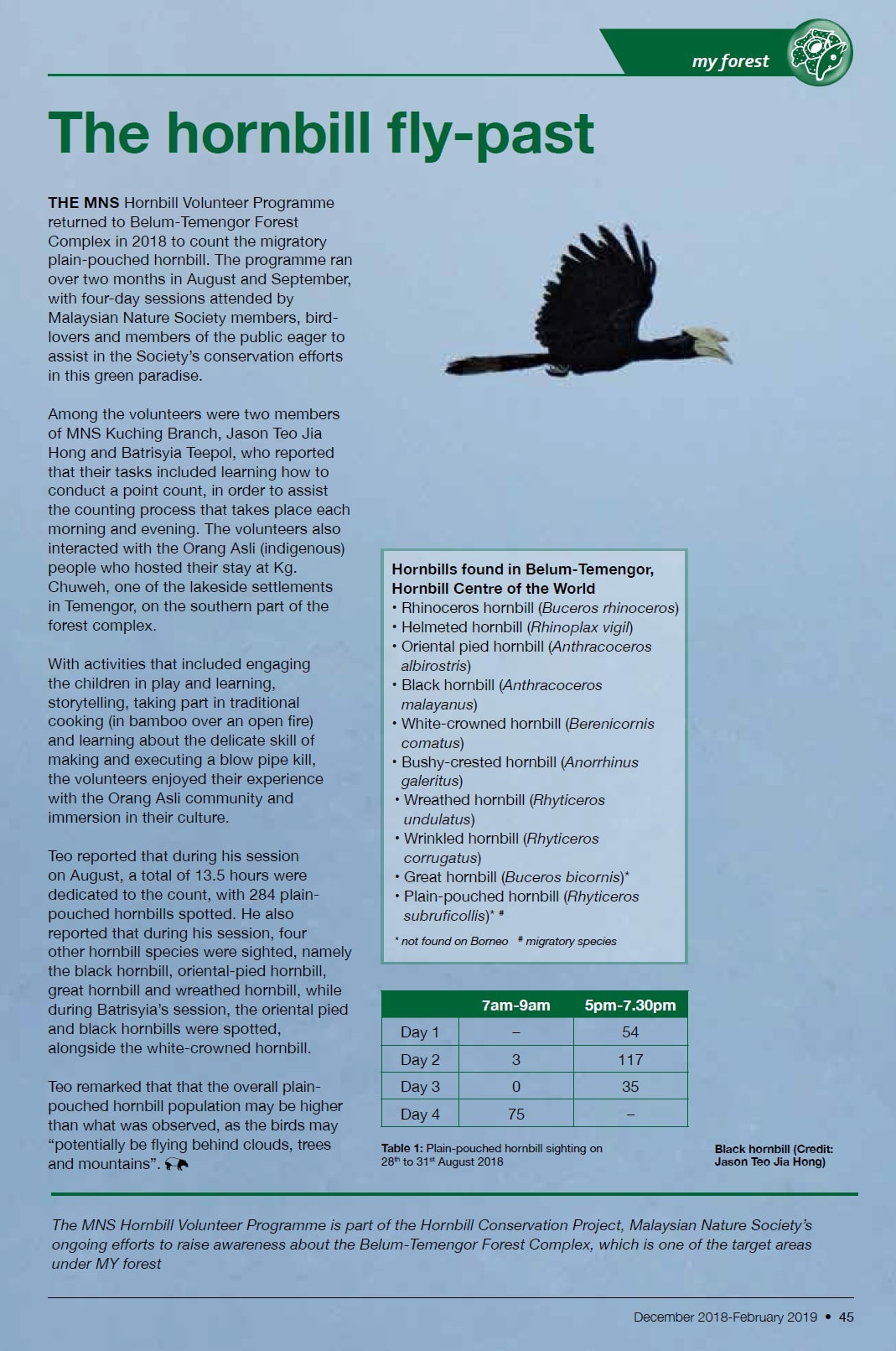
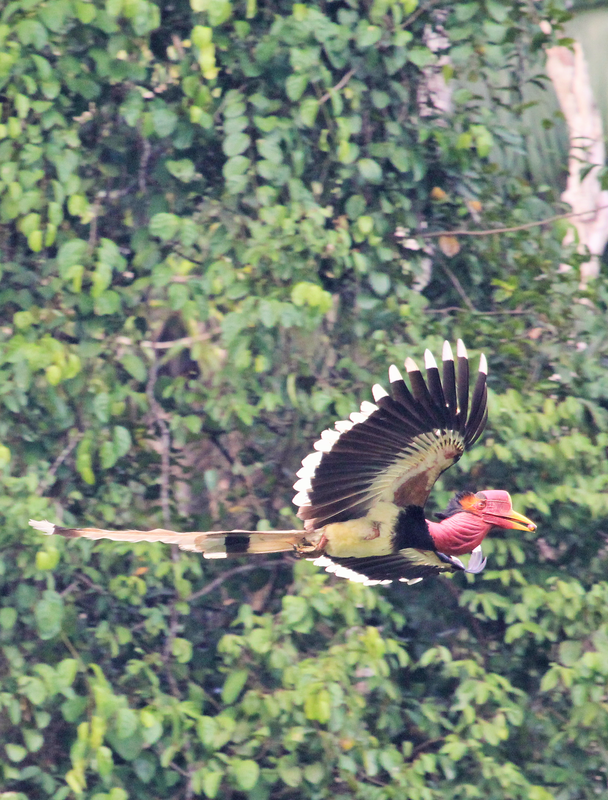
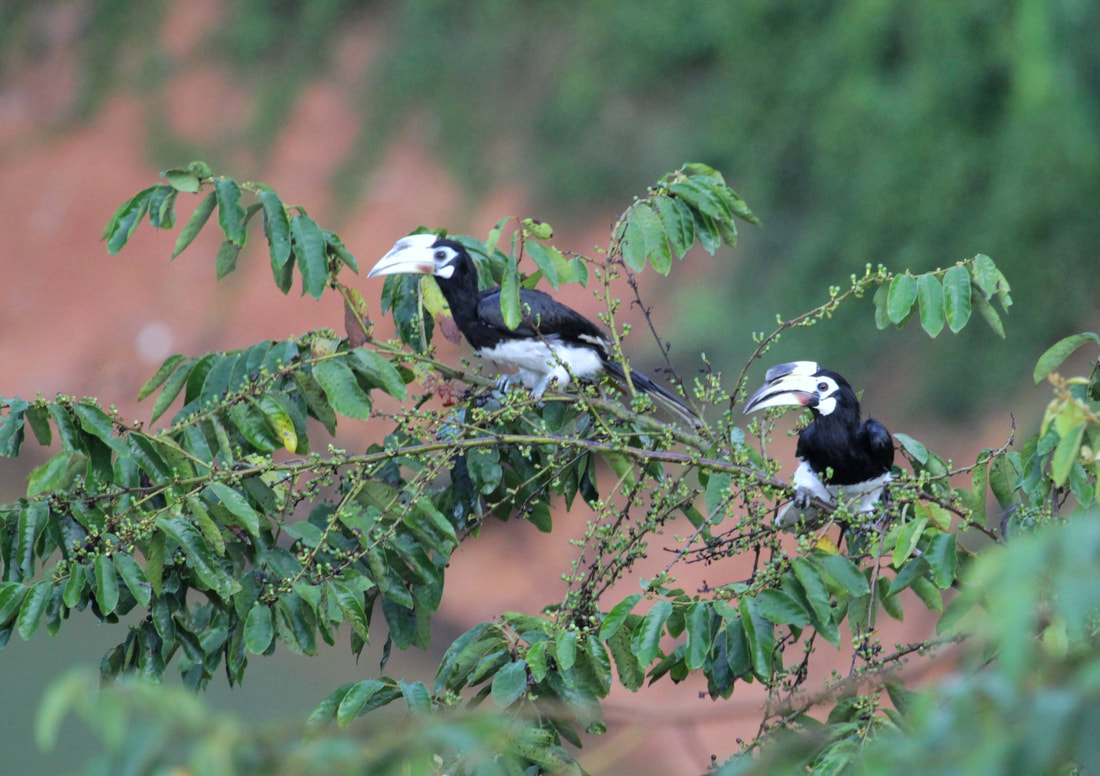
​The MNS Hornbill Volunteer Programme returned to Belum-Temengor Forest Complex in 2018 to count the migratory plain-pouched hornbill. The programme ran over two months in August and September, with four-day sessions attended by Malaysian Nature Society members, birdlovers and members of the public eager to assist in the Society’s conservation efforts in this green paradise.
      ​Among the volunteers were two members of MNS Kuching Branch, Jason Teo Jia Hong and Batrisyia Teepol, who reported that their tasks included learning how to conduct a point count, in order to assist the counting process that takes place each morning and evening. The volunteers also interacted with the Orang Asli (indigenous) people who hosted their stay at Kg. Chuweh, one of the lakeside settlements in Temengor, on the southern part of the forest complex.
Picture
      With activities that included engaging  the children in play and learning, storytelling, taking part in traditional cooking (in bamboo over an open fire)  and learning about the delicate skill of making and executing a blow pipe kill,  the volunteers enjoyed their experience with the Orang Asli community and immersion in their culture.
      Teo reported that during his session on August, a total of 13.5 hours were dedicated to the count, with 284 plainpouched hornbills spotted. He also reported that during his session, four  other hornbill species were sighted, namely the black hornbill, oriental-pied hornbill, great hornbill and wreathed hornbill, while during Batrisyia’s session, the oriental pied  and black hornbills were spotted,  alongside the white-crowned hornbill.
​      Teo remarked that that the overall plainpouched hornbill population may be higher than what was observed, as the birds may “potentially be flying behind clouds, trees and mountains”. 

0 Comments

global tiger day focus

29/7/2019

0 Comments

 
Picture

tyger burning not so bright

TIGER BEATEN TO DEATH IN INDIA ... READ MORE
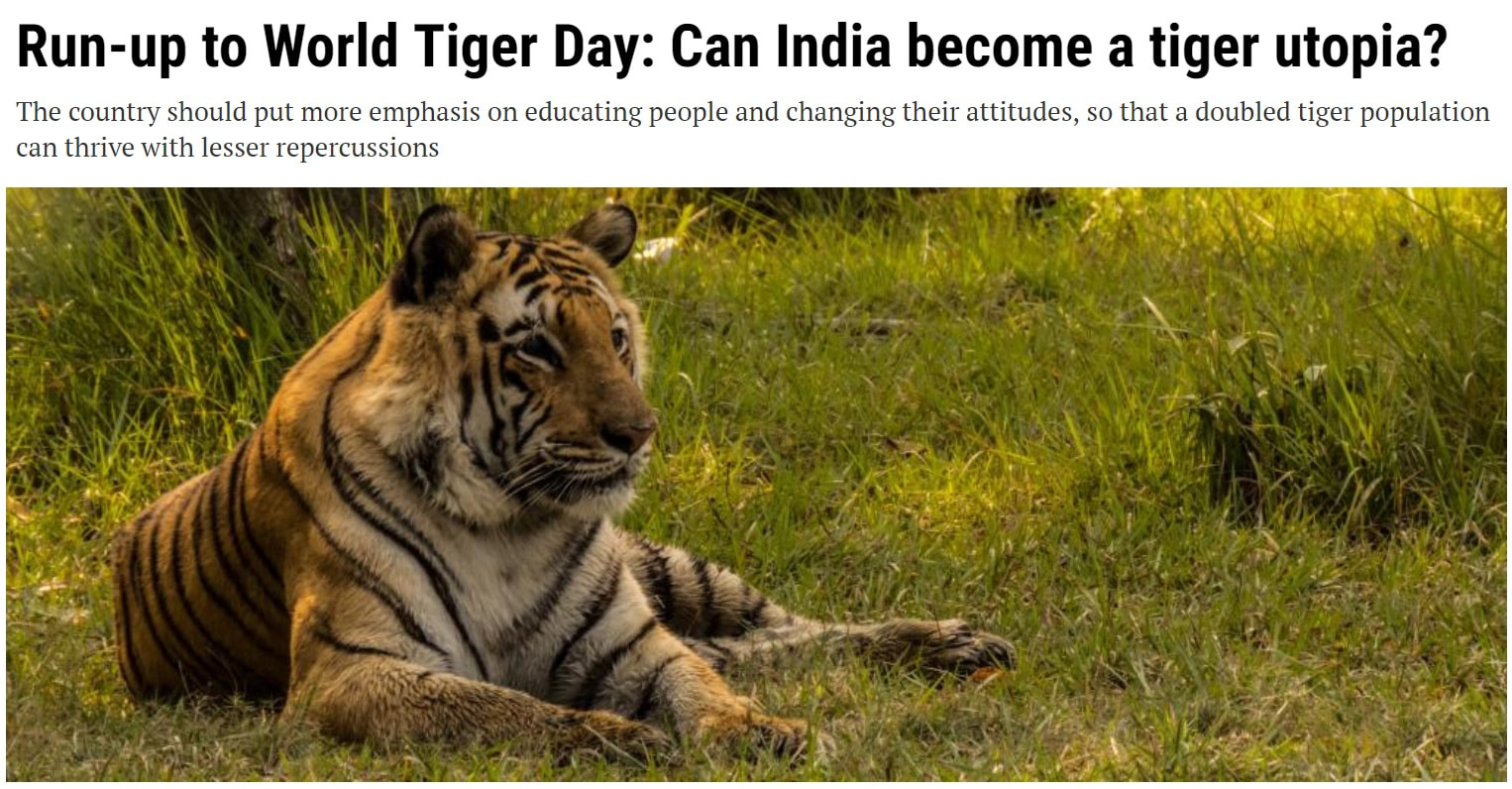
Can India afford to have more tigers?
Nearly a decade since 13 tiger range countries came together in St. Petersburg, Russia owing to double the big cat population by 2022, their goal seems nowhere in sight. In fact, India's effort to protect tigers is in some ways a victim of its own success... READ MORE
An uncertain future
An adult tiger brutally beaten to death; 12 tigers dying from electrocution; 5 of the magnificent creatures poisoned to death. These are the indicators about the threats faced by tigers, and why conservation is not working... READ MORE
Picture
Picture

malaysians for the malayan tiger

Picture
The tiger guy: Malayan tiger closer than ever to extinction... READ MORE

Siti Hasmah calls on all Malaysians to help... READ MORE

​Zoo Negara cubs named Wira, Hebat and Melur... READ MORE
Harimau masuk kampung... READ MORE
Tiger roaming Bukit Besi caught... READ MORE
Rescued tiger, named Awang Besul, dies... READ MORE
Picture

malaysian nature society creating a tiger community

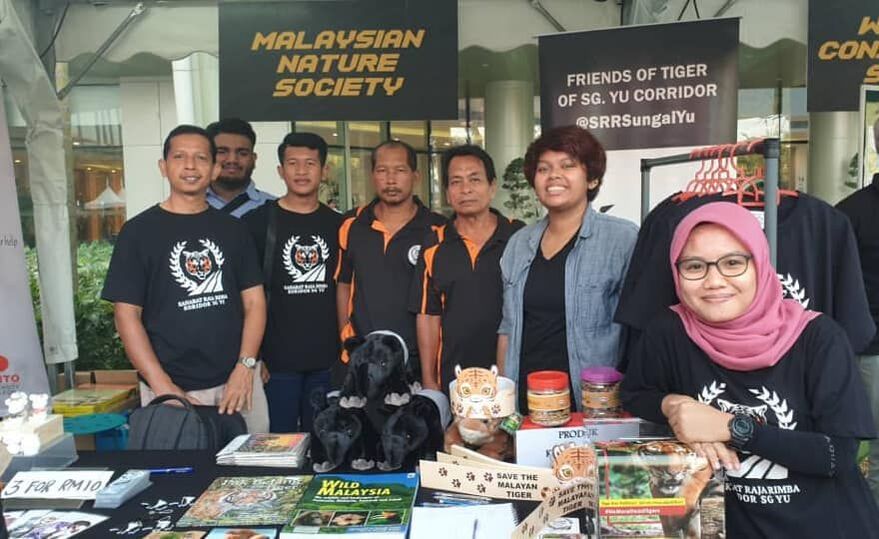
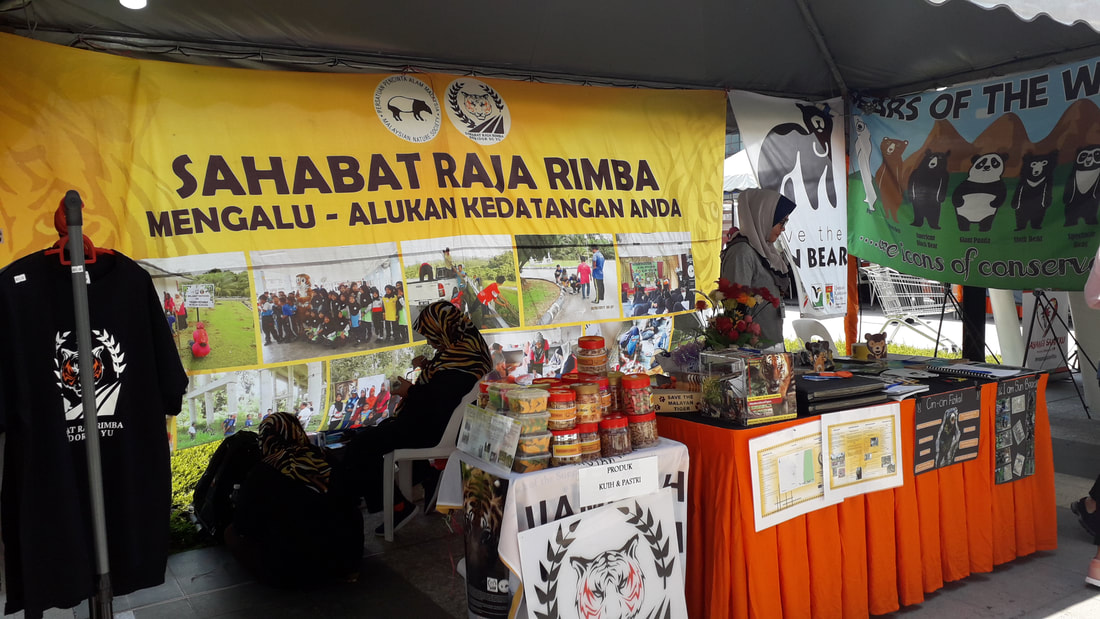
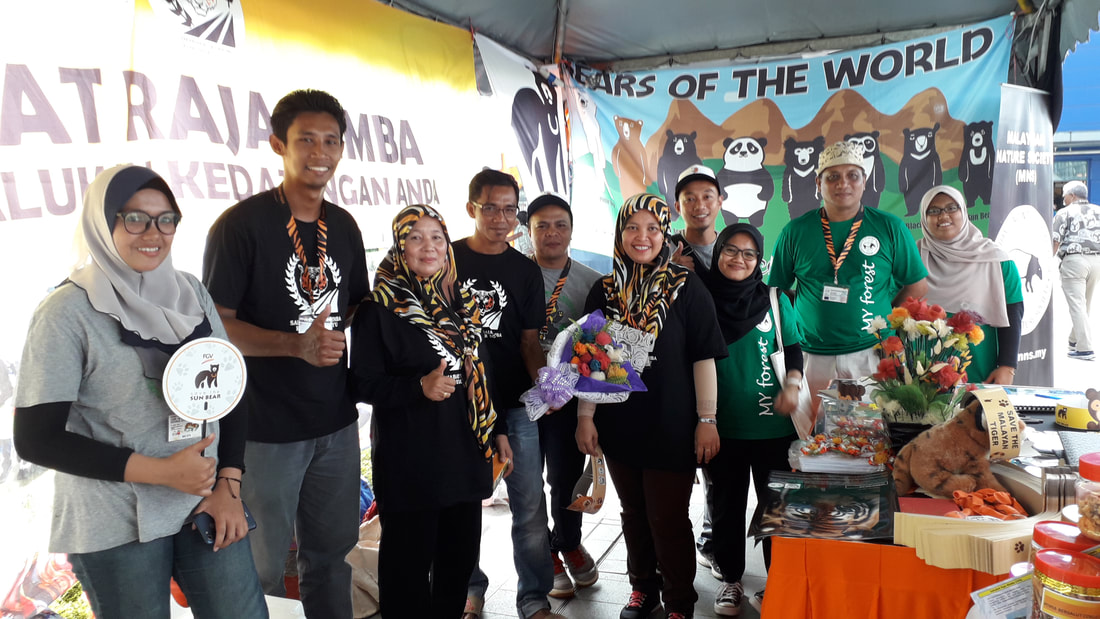
They call themselves Sahabat Raja Rimba (Friends of the Malayan Tiger, or literally "friends of the king of the jungle"), and are raising awareness about the tiger territory around Merapoh and promoting environmental education.
Picture
Picture

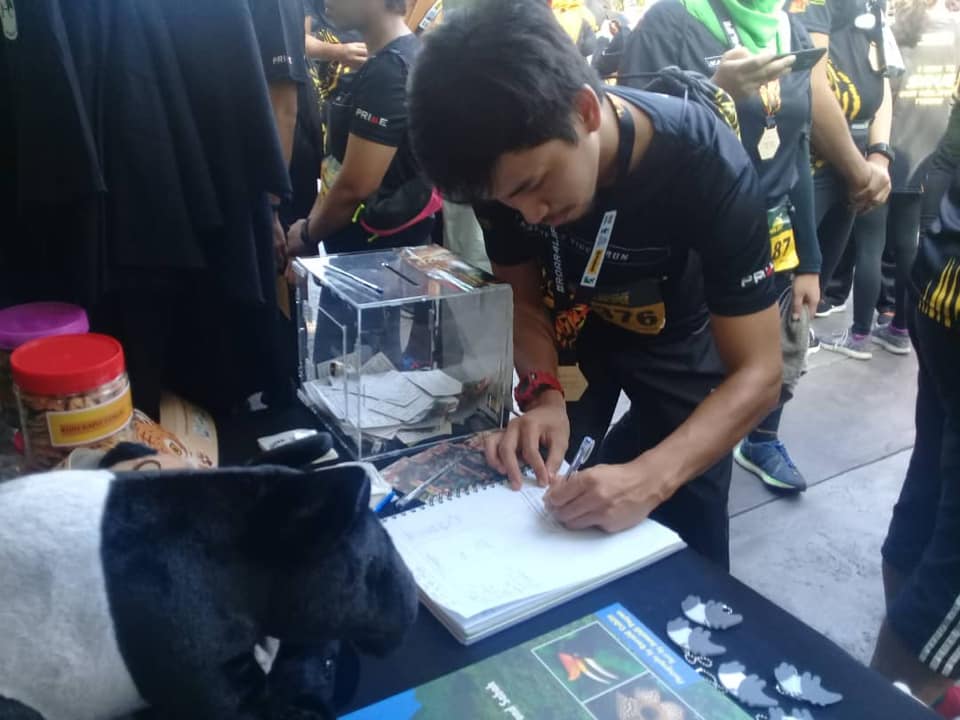
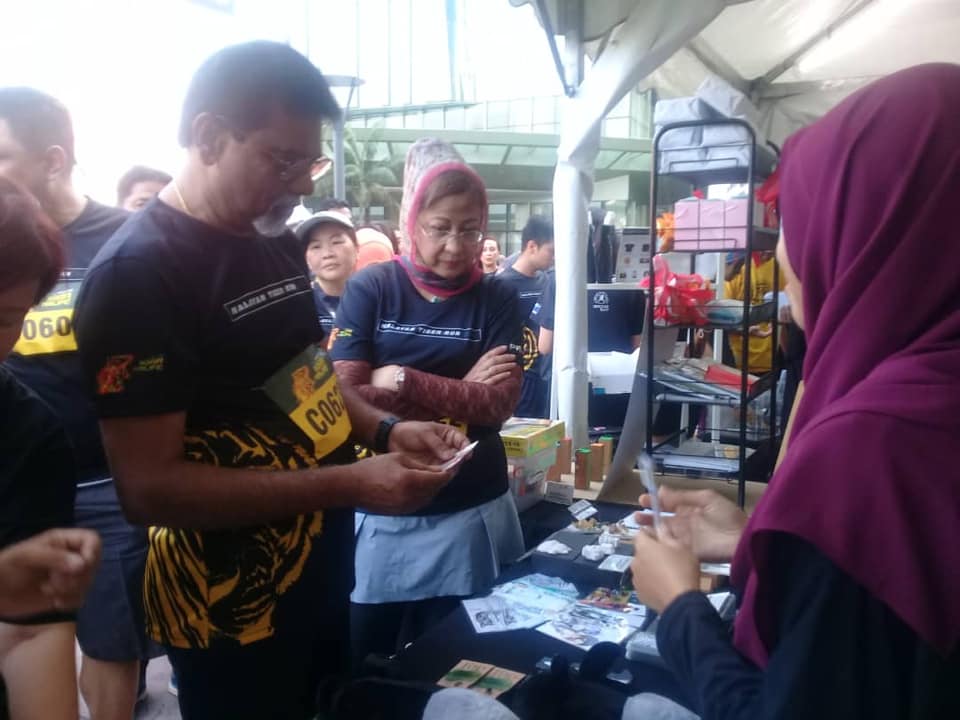
sahabat raja rimba at malayan tiger run 2019

Picture
Picture
Picture

supporting the war on wildlife crime

Picture
Picture
See More Wildlife Warrior
0 Comments

Hornbills of Peninsular Malaysia

27/7/2018

0 Comments

 
Picture
Image by Yeap Chin Aik
MENTION HORNBILLS and most Malaysians would think of ceremonial feathers, red, yellow and black beads and the tag “Bumi Kenyalang”. That’s the power of branding, with the East Malaysian state of Sarawak (its flag is red, yellow and black) recognised as Land of the Hornbills. The rhinoceros hornbill also takes pride of place on the state’s coat of arms, while the bird is deeply embedded in the cultures of her indigenous peoples, especially the Dayak, whose ceremonial costumes and ornaments strongly feature feathers of both the rhinoceros and helmeted hornbill.
     And when you say the words hornbills and Peninsular Malaysia, you might, half of the time, get a puzzled look, showing that many people are unaware of these continental hornbills. Much less that there are 10 species that call the peninsula home, two more than those found in Borneo:
• Rhinoceros hornbill (Buceros rhinoceros)
• Helmeted hornbill (Rhinoplax vigil)
• Oriental pied hornbill (Anthracoceros albirostris)
• Black hornbill (Anthracoceros malayanus)
• White-crowned hornbill (Berenicornis comatus)
• Bushy-crested hornbill (Anorrhinus galeritus)
• Wreathed hornbill (Rhyticeros undulatus)
• Wrinkled hornbill (Rhyticeros corrugatus)
• Great hornbill (Buceros bicornis)*
• Plain-pouched hornbill (Rhyticeros subruficollis)*
*not found on Borneo
     There are 57 species of hornbills identified globally, with 25 found on the African continent and 32 distributed across 19 Asian countries. Peninsular Malaysia’s 10 marks the second highest diversity in the region, tied with Myanmar and the Philippines, and below only Thailand and Indonesia with 13 species each. Hornbills in Malaysia are found in a variety of habitats, ranging from coastal mangroves to the hill/submontane forests. The most common and adaptable species, the oriental pied hornbill, can be encountered not only in mangrove and lowland forests, but also in agricultural land  and orchards.
Picture
     Other species, such as black, white-crowned, bushy-crested, great, rhinoceros and helmeted hornbills, are more selective and sensitive, requiring more intact, closed-canopy forests usually found in protected areas and forest reserves in Malaysia.
      Nearly half of Asia’s hornbills are threatened with extinction, with declining populations owing to habitat loss and degradation, poaching and hunting. The helmeted hornbill, one of the most enigmatic species in this region, had its IUCN Red List of Threatened Species status upgraded in 2015 from Near Threatened to Critically Endangered, owing to intense poaching pressure in Indonesia for its casque.
     Hornbills in Malaysia face similar, though less severe, perils, with habitat loss and degradation being the primary threats across the country. In East Malaysia, the situation is compounded with the threat of poaching/hunting, as hornbills are totally protected in Peninsular Malaysia and Sarawak under the respective wildlife laws, but permitted to be hunted under strict conditions in Sabah.
Picture

MNS and Hornbill Conservation

The MNS Hornbill Conservation Project has achieved incremental milestones since its inception in 2004, despite constant challenges in maintaining a field-based conservation project:
•  Established the hornbills’ breeding/non-breeding periods in Belum-Temengor Forest Complex.
•  Located more than 80 nests of eight hornbill species (out of 10) in the forest landscape. The most common are the oriental pied, bushy-crested and rhinoceros hornbills.
•  Identified at least eight tree species used as nest trees: Koompassia malaccensis, K. excelsa, Intsia palembanica, Hopea odorata, Shorea spp., Dysoxylum grande, Tetrameles nudiflora and Terminalia bellirica from five families (Dipterocarpaceae, Leguminosae, Meliaceae, Tetramelaceae and Combretaceae). All nest trees discovered measure at least 250cm in girth at breast height (GBH).
•  Developed the innovative HB-IRD (Hornbill Breeding Improvised Recording Device) with a technology company to remotely monitor active breeding hornbills at their nest tree. This is a first for hornbill conservation in Malaysia, and possibly for forest monitoring of hornbills in Asia.   
     Findings for plain-pouched hornbills include:
•  The species visiting BTFC annually in varying population numbers based on monitoring efforts at Kampung Tebang, Temengor Forest Reserve. The visitation patterns seem to alternate between high and low throughout the years.
•  The highest count ever recorded in a single session was some 3,200 individuals in 2008.
•  Documented feeding on emerging mayflies (belonging to the order Ephemeroptera) on several occasions in Kampung Tebang during dawn, possibly a new feeding behaviour. [Note: this behaviour was not seen after the Pos Chiong bay became silted.] 
•  Noted using several types of trees to rest, prior to and after emerging from their night roost(s).
•  Suspected of roosting south of Temengor. However, it was discovered in 2010 that they could also be roosting in the upper reaches of Sungai Temin (Royal Belum State Park).
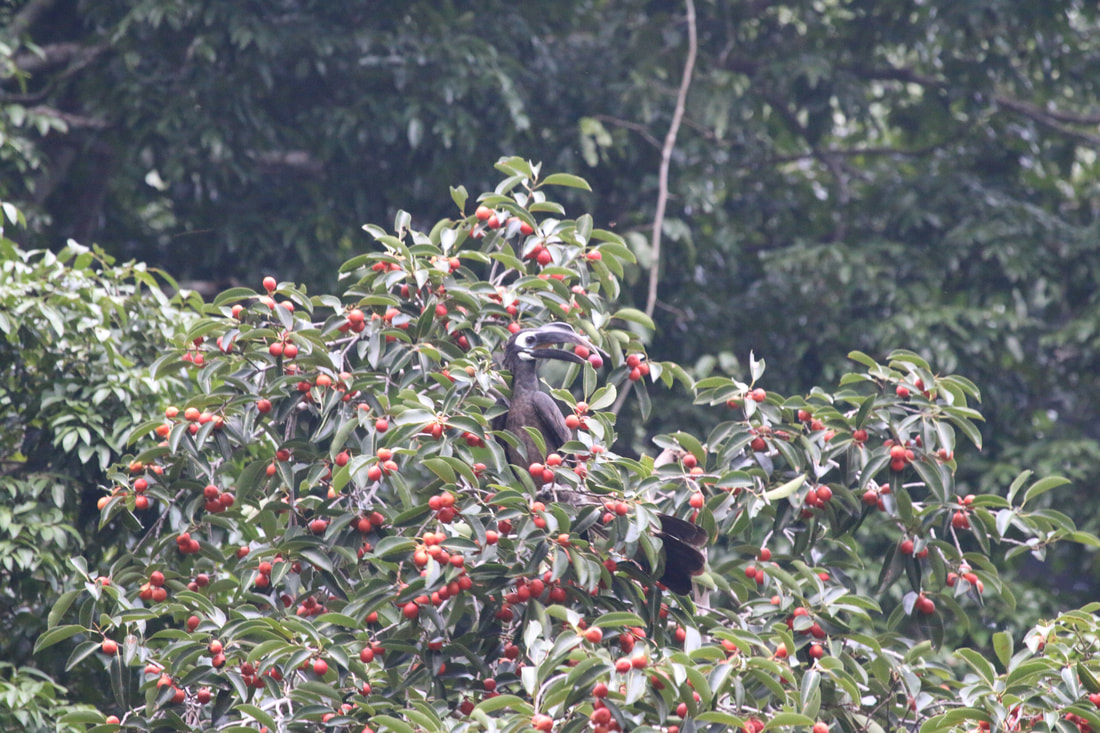
•  Noted to feed on several kinds of fruits including strangling figs (Ficus spp.).
0 Comments

Leaving Home

15/9/2016

3 Comments

 
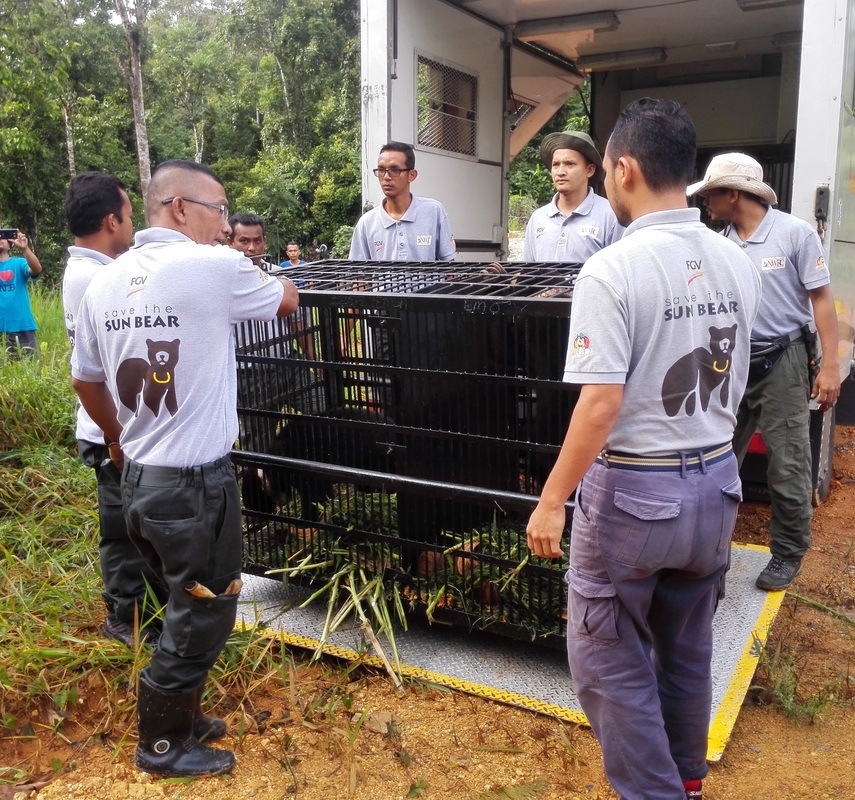
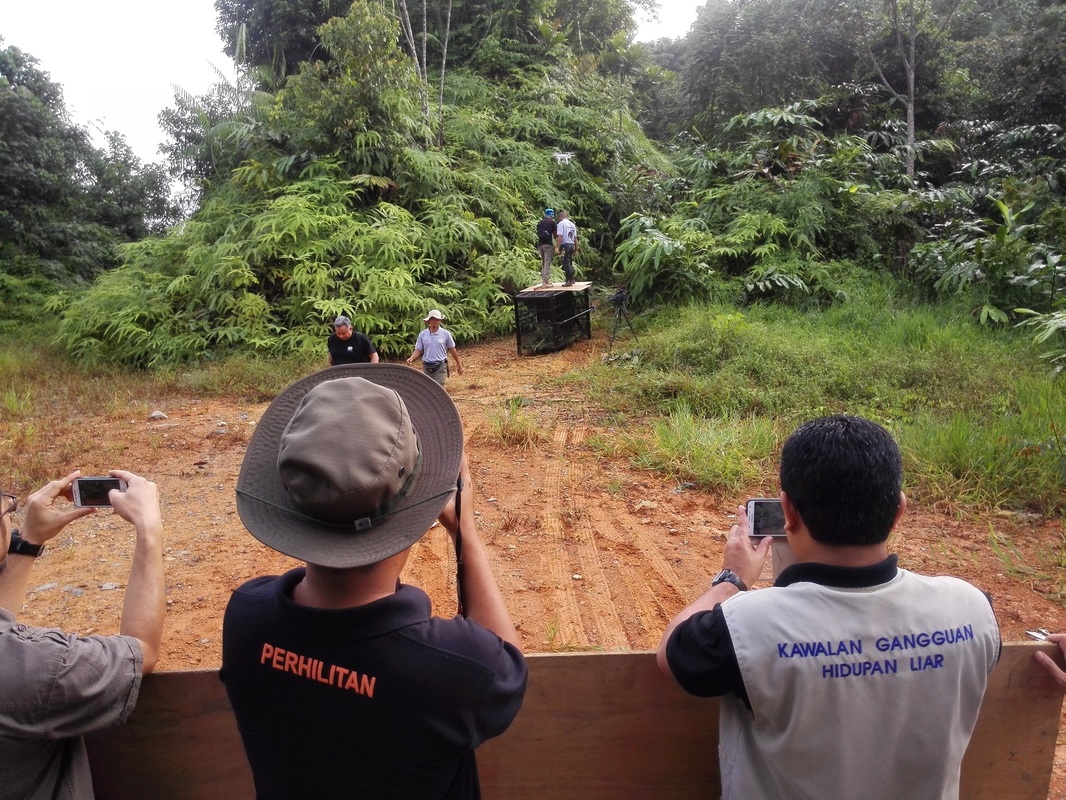
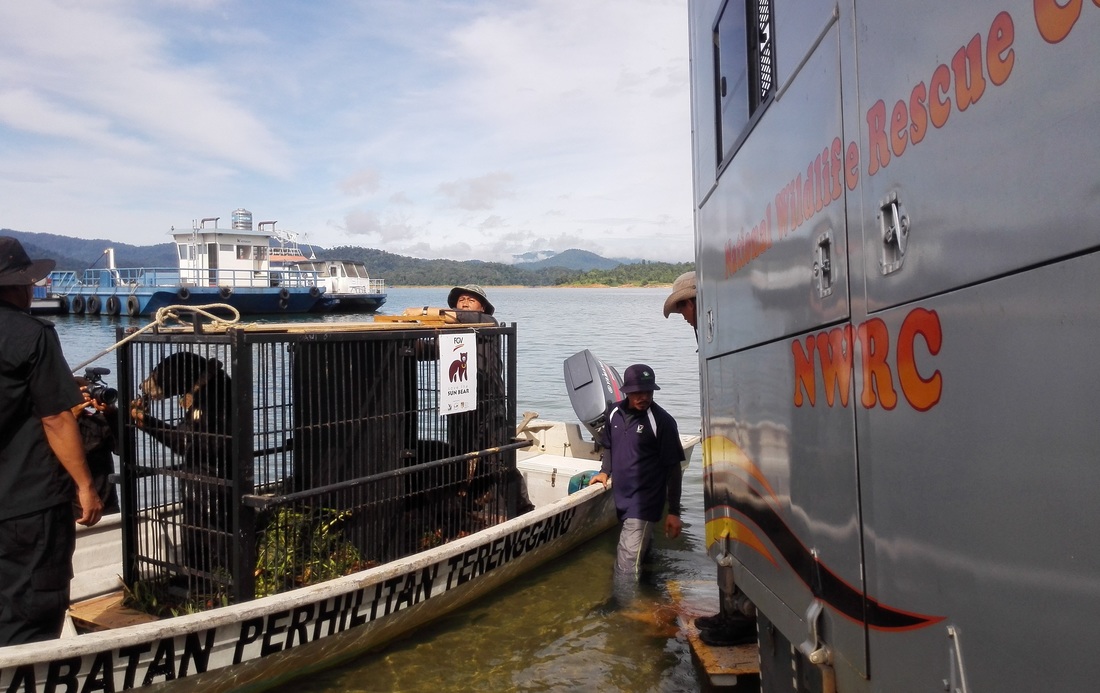
Four sun bears are released into the wild under the Save The Sun Bear Campaign, and it's bittersweet. The MNS Conservation Division reports about the September event.
Picture
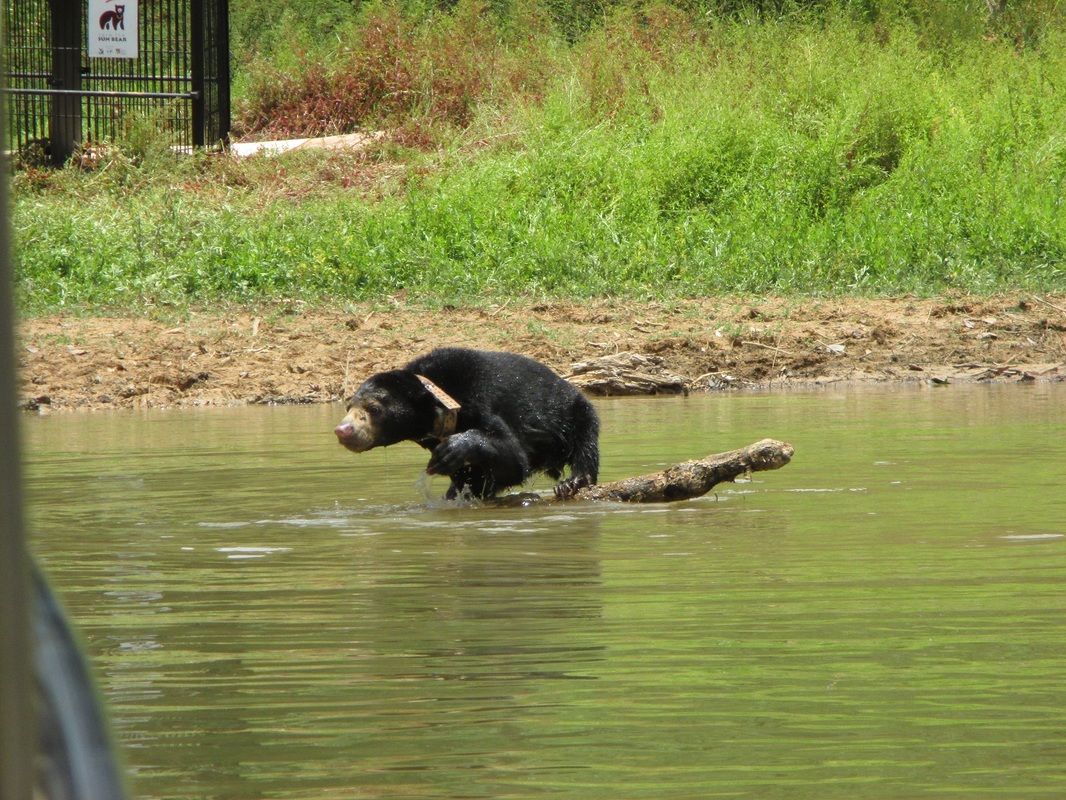
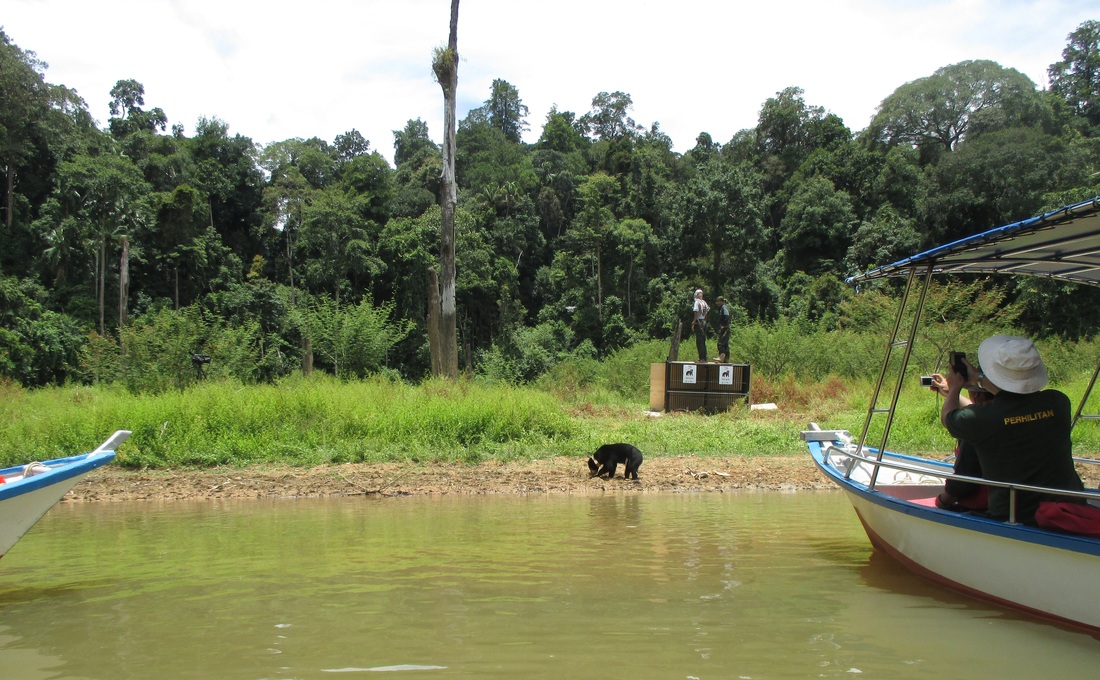
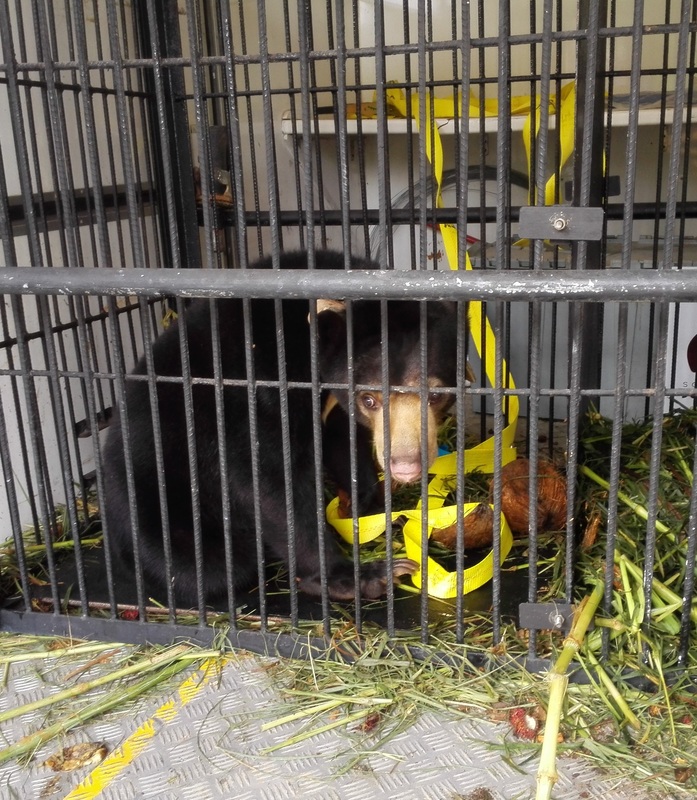
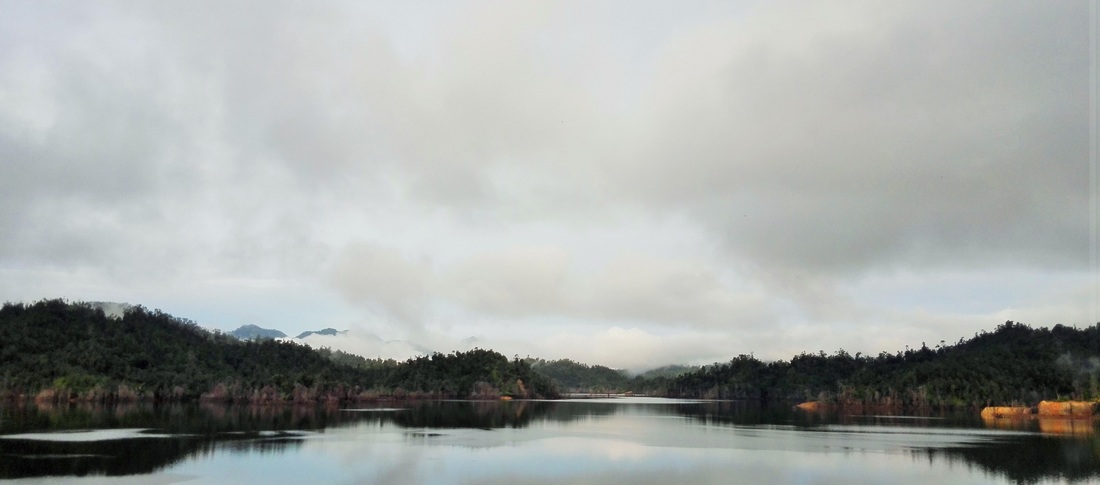
This is the bittersweet moment juvenile sun bear Avi is released into the wild, when she seems more interested in getting back to her human caretakers than the life she is meant to live. Behind her is the forest of Terengganu National Park, and in front of her are humans, aboard boats on Kenyir Lake, and Avi heads for the people without fear.
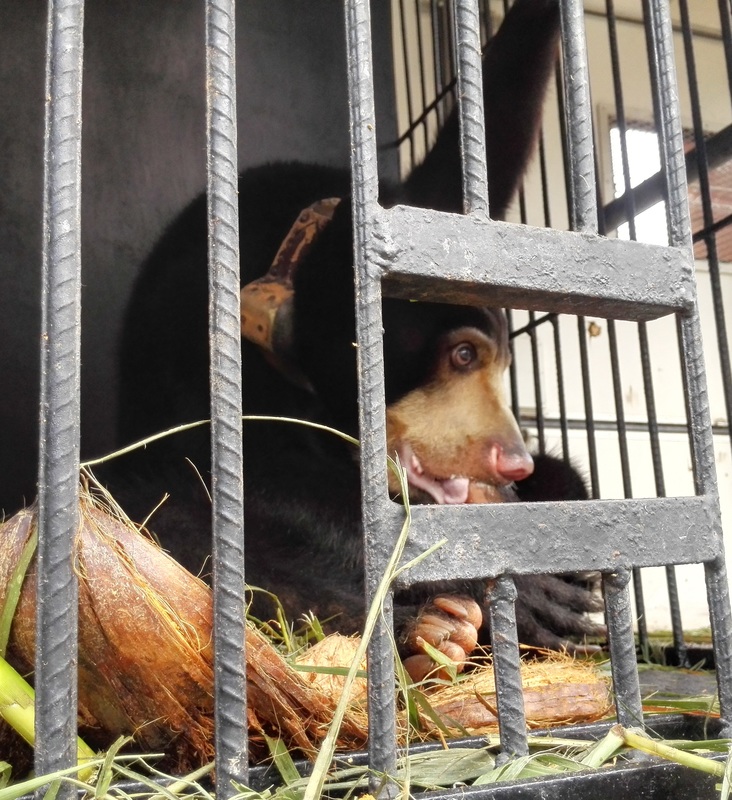
      This comes as no surprise to her National Wildlife Rescue Centre (NWRC) caretakers, among whom the word “manja” is used a lot when it comes to this female bear. “Manja” is a wholly Malay word, whose closest English approximation is “affectionate and a bit clingy”, and this describes Avi well. Hand-reared after being found abandoned as a three-month-old cub near the National Zoo, Avi, almost two years old, is the most affectionate of the sun bear rescues at NWRC.
      One of the two main keepers at the centre, Cik Mat, smiles as he talks about the release, but this has to be a sad moment. The boats are told to leave, as Avi is not expected to explore her new home with humans present, and Cik Mat is left with two years’ worth of memories – and photographs – of being a surrogate mother to the cub, bottle feeding in his arms like a baby, and then teaching her about being a bear.

Picture
Instead of running off, Avi heads down to the water, and the boats, aboard which are her human family
Picture
Avi before the release. The juvenile sun bear has hooked the strap used to secure the cages with her sharp claws, and proceeded to play with it. Her keepers' reaction? "Look at that naughty girl, playing with the strap."
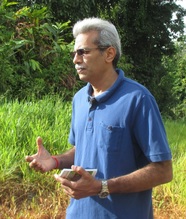
PictureK. Ilangovan: Third Save The Sun Bear release
      This is the reality of rescue, where success is letting animals live their lives, risks and all, in the wild. The sun bear has a life expectancy of 30 years, and although NWRC – and Cik Mat – is the only home Avi has ever known, it is hoped that the rehabilitation process has taught her enough skills to survive and live out her natural life where she is meant to be.
      That is the aim of Save The Sun Bear Campaign, a joint effort by Felda Global Ventures Holdings Bhd (FGV), the Department of Wildlife and National Parks Peninsular Malaysia (PERHILITAN), the Malaysian Nature Society (MNS) and Universiti Kebangsaan Malaysia (UKM).
      K. Ilangovan, FGV’s head of Sustainability Technical, under the Environmental & Sustainability Division, says the release is the third such activity under the five-year campaign that started last year, concentrating on a three-pronged approach of rescue, rehabilitation and release (3Rs); public awareness; and research.

Picture
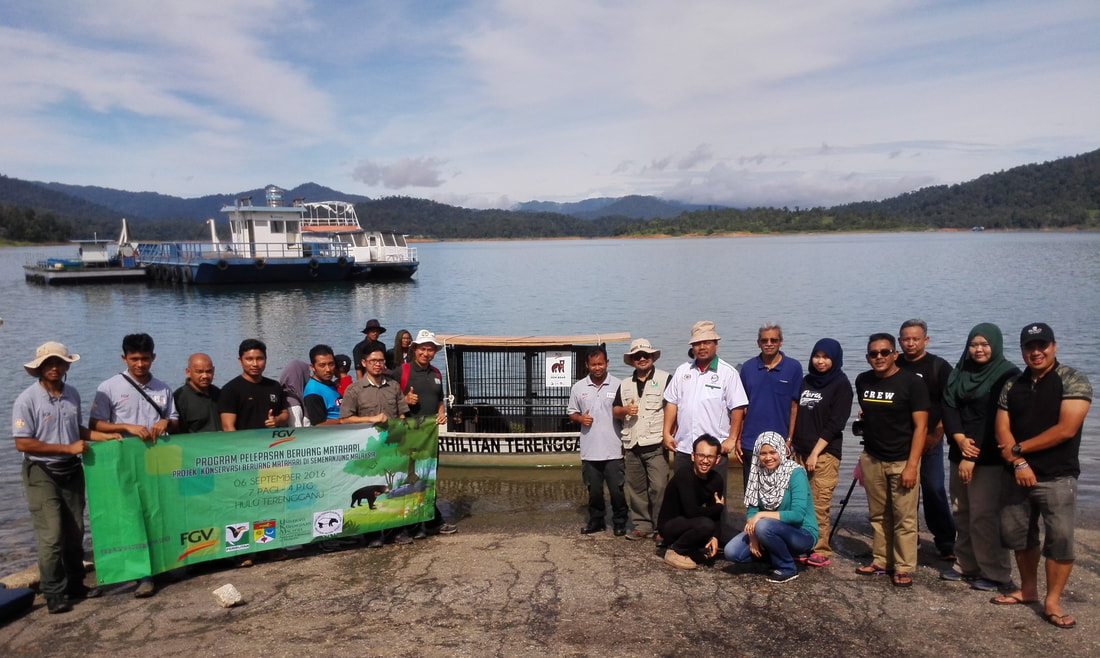
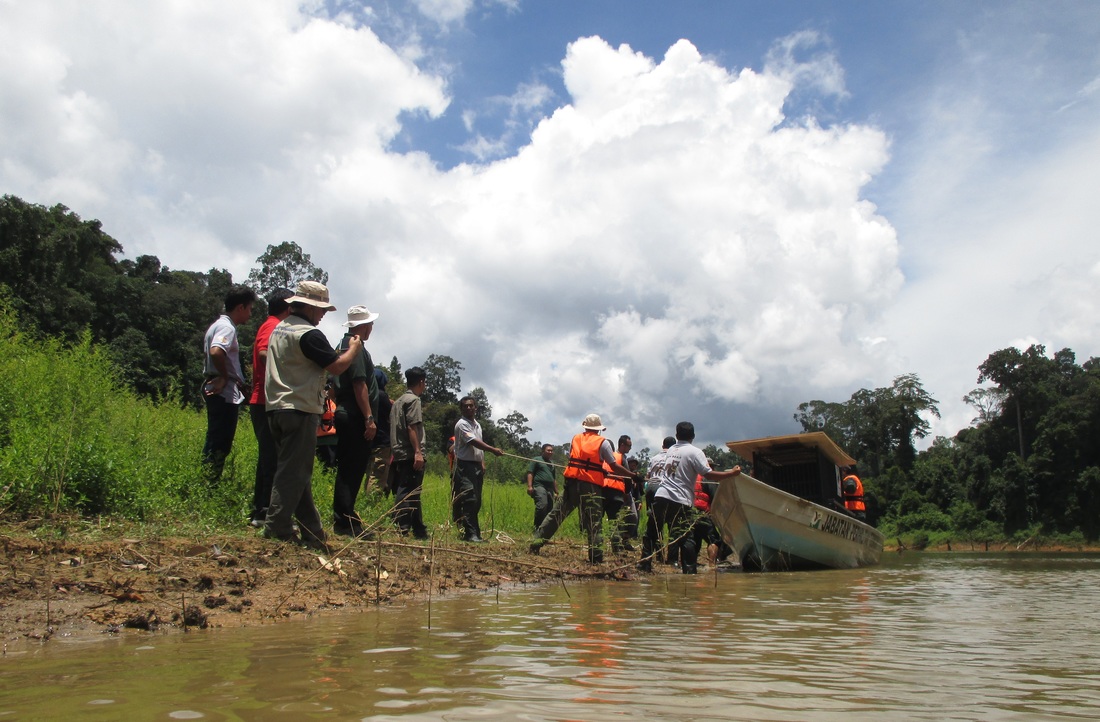
The release at Terengganu National Park, through Lake Kenyir. Sixth from right is K. Ilangovan of FGV, seventh is Fakhrul Hatta Musa, PERHILITAN Deputy Director- General I, and eighth is Salman Saaban, PERHILITAN Director, Ex-situ Conservation. They are accompanied by FGV and PERHILITAN officers and staff; NWRC staff and sun bear keepers; members of the media; and representatives of MNS and UKM.
      Three other juveniles brought up from cubhood are also released on this bright, sunny September day, but they run off into the undergrowth as soon as their cage doors are raised. With seven bears released last year and one this past May, this brings to 12 sun bears released under the campaign, with five left at NWRC. However, three are infirm – one is too old, another is blind and the last had lost a paw – with no hope of survival in the wild and will spend the remainder of their days under care. The remaining two are still being rehabilitated, and will be assessed on their suitability to living wild, which includes ability to forage for food, climb trees and avoid conflict with humans.
Picture
Picture
Picture
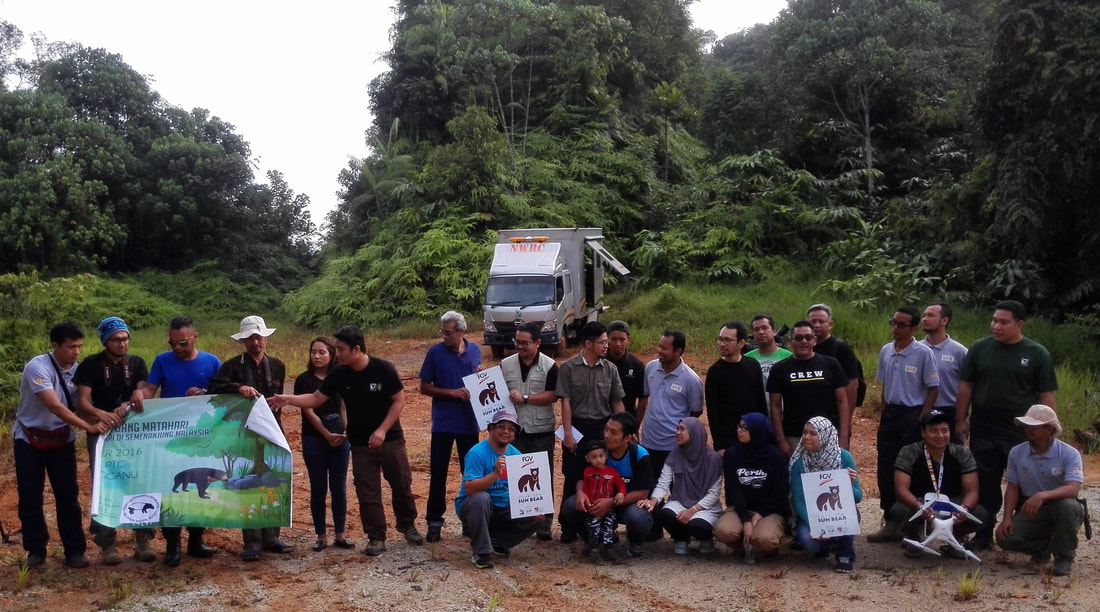
Two other juveniles are released at the Hulu Terengganu hydroelectric dam area (below)
Picture
PictureFakhrul Hatta Musa, PERHILITAN
      The choice of location for the release also plays a part, says Fakhrul Hatta Musa, PERHILITAN Deputy Director General I. Avi and a male bear are placed at the Terengganu National Park while another pair are set free at the Hulu Terengganu Hydroelectric Dam, Tembat Forest Reserve, with both spots isolated from human population. While adult bears – seized, captured or surrendered – are released almost immediately, NWRC deals with many cubs aged just months old, surrendered by the public thanks to ongoing education efforts. These cubs are nurtured by humans in place of their mothers, and this might make them unafraid to approach human settlement when free, Fakhrul Hatta says.
      This is not a comforting thought when Avi and the juveniles, who are under two years old, already weigh some 30kg and stand at three feet tall. Full adults can reach an imposing five feet and 80kg, with 10cm claws and scarily strong bite force. During the release event, the males already exhibit their aggressive tendencies, growling, grunting and barking their annoyance (their bark sounds like that of a large dog).
      And then there’s the ever-present threat of poachers. The Malayan sun bear is listed as Vulnerable under the IUCN Red List, owing to destruction of its forest habitat and uncontrolled exploitation for body parts, for example its paws, claws and bile duct. In Malaysia, there’s also a market for exotic meats, and bear is high on the list of desirable delicacies.


      As the boats back away, Avi is busy splashing away in the water. Her keepers later joke that given a chance, the bear would happily try to climb aboard one of the vessels to be with the only family she has ever known. This family will keep a watch on the release sites for up to a week, and on Avi and the others via their radio collars for up to a year, but that’s all that they can do.
      The future is unknown for Avi, the “manja” individual who had taken to suckling her rear paw when stressed, as a child would suck its thumb to comfort itself. However, those who believe in Save The Sun Bear surely have to trust that they are doing the right thing for this Malayan sun bear and her kin, for the future of the species as a whole.    
Picture
The future is uncertain for the rescued sun bears, and Avi, seen here suckling her paw as a child would suck its thumb. But those who believe in the campaign have to trust that they are saving the sun bear.
Picture
Picture
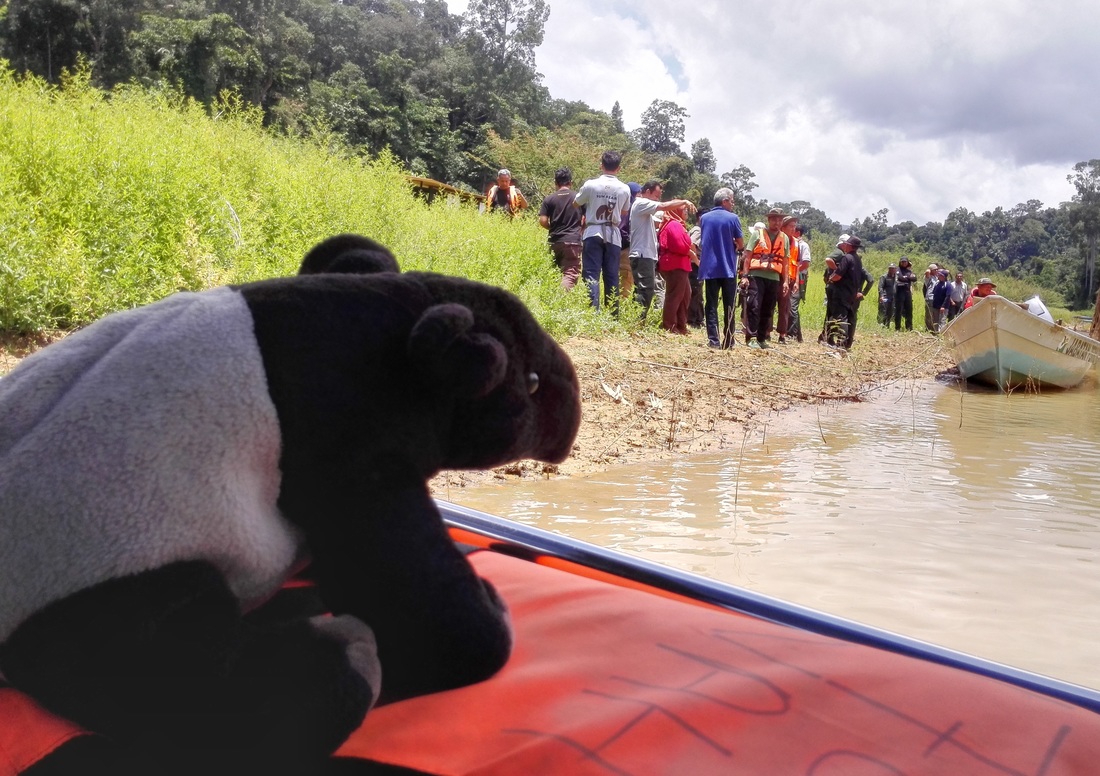
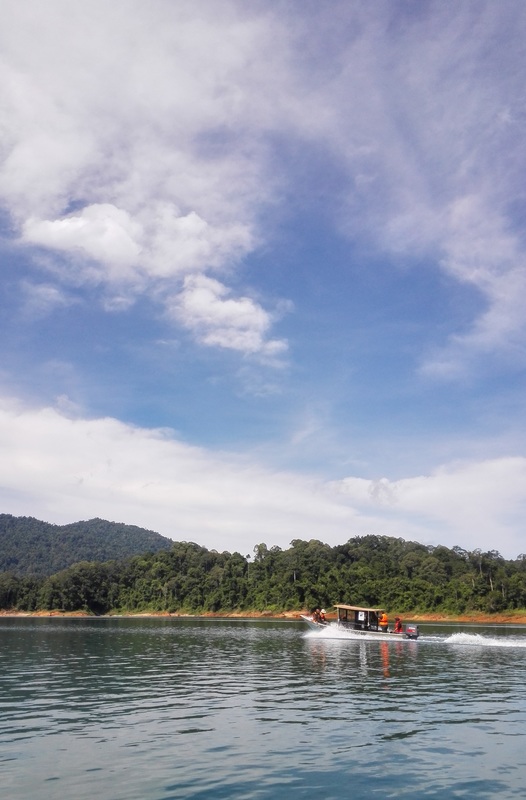
Mamat the Tapir, representative of MNS, witnesses the release, as the bear cages are put aboard a boat, powered across Lake Kenyir and finally unloaded onto Terengganu National Park land.
Picture
Picture
3 Comments

Rewilding a wildlife corridor 

1/8/2016

1 Comment

 
Picture
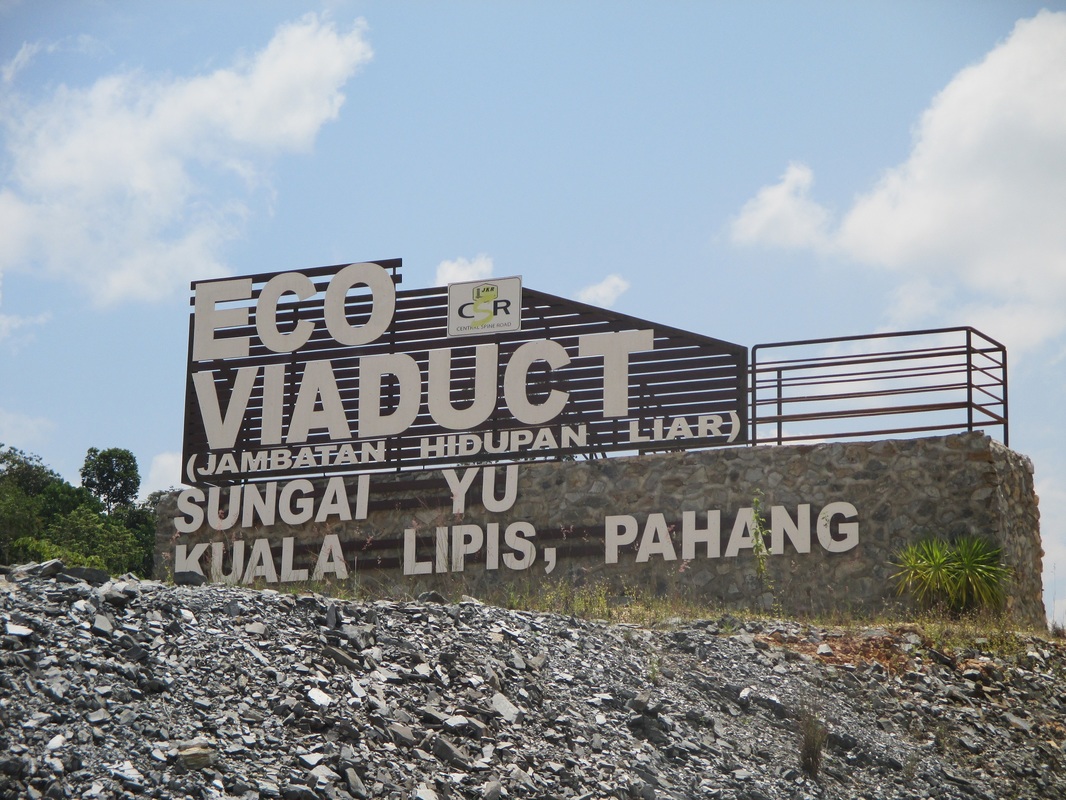
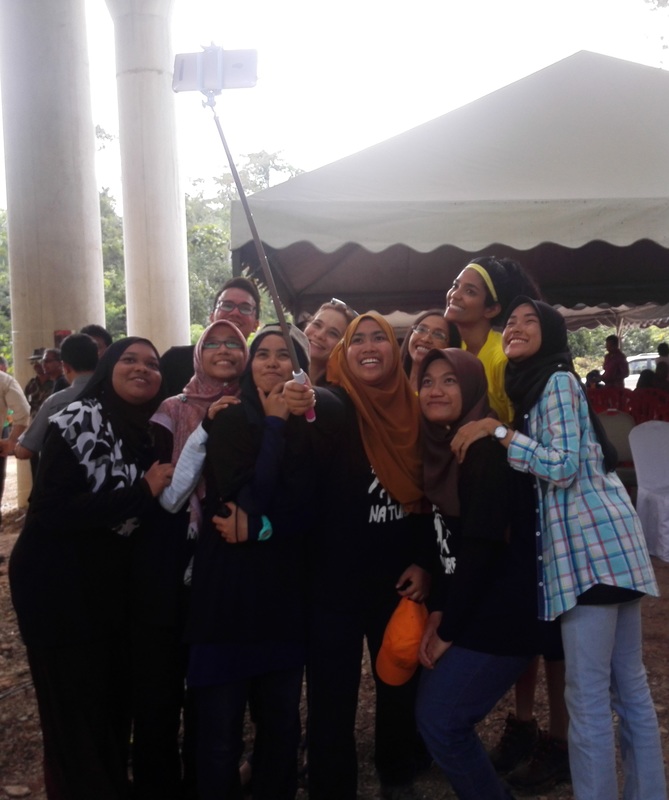
The Malaysian Nature Society (MNS) took part in the launch of Rewilding Yu, a project related to a years-long fight to protect the Sungai Yu Tiger Corridor bisected by a major highway in the state of Pahang. The highway separates two main forests which form the habitat of the Malayan tiger, plus other large mammals and other wildlife, and the eco-viaduct is hoped to help keep the animals safe when crossing from one forest to the other.
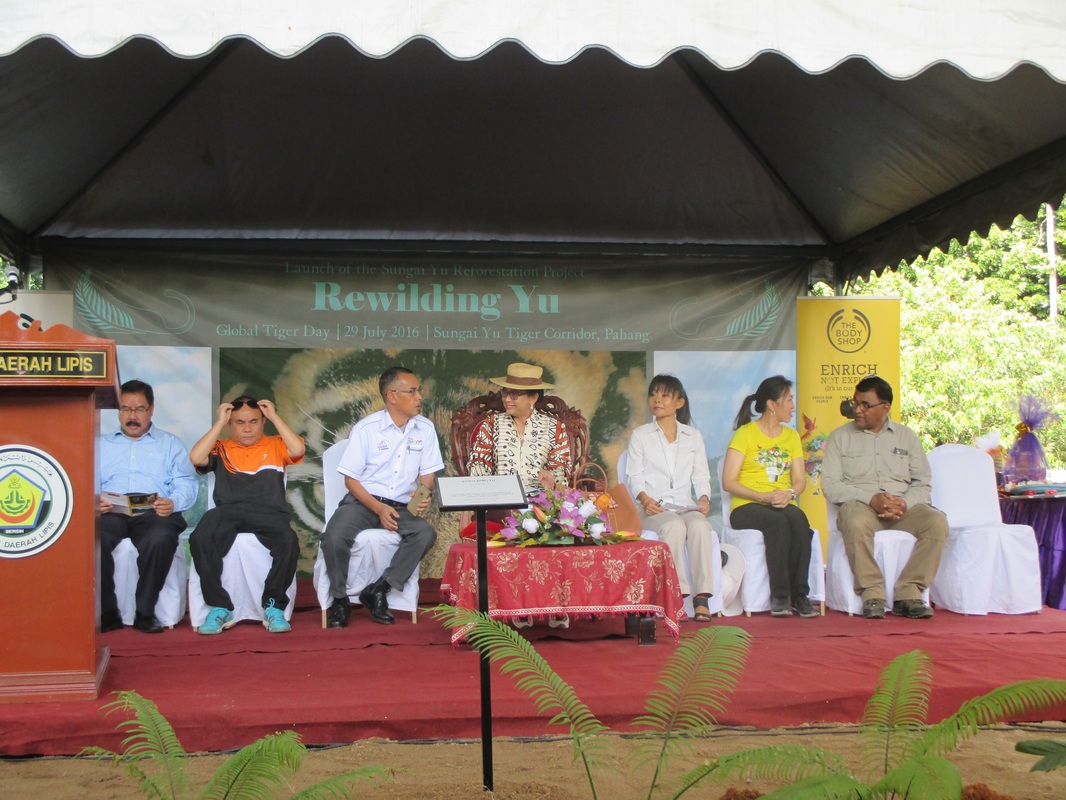
     Having successfully lobbied for the viaduct, which runs under an elevated section of the highway, the plan now is to reforest the area, which will encourage wildlife to utilise the crossing. The initiative by MYCAT, an alliance comprising MNS, TRAFFIC Southeast Asia, WWF-Malaysia and Wildlife Conservation Society-Malaysia Programme, was launched on 29 July 2016, which is also Global Tiger Day, and officiated at by YAM Tengku Aishah Sultan Ahmad Shah.

Picture
Picture
Picture
YAM Tengku Puteri Seri Kemala Pahang Tengku Aishah Sultan Ahmad Shah (middle) at the launch of Rewilding Yu
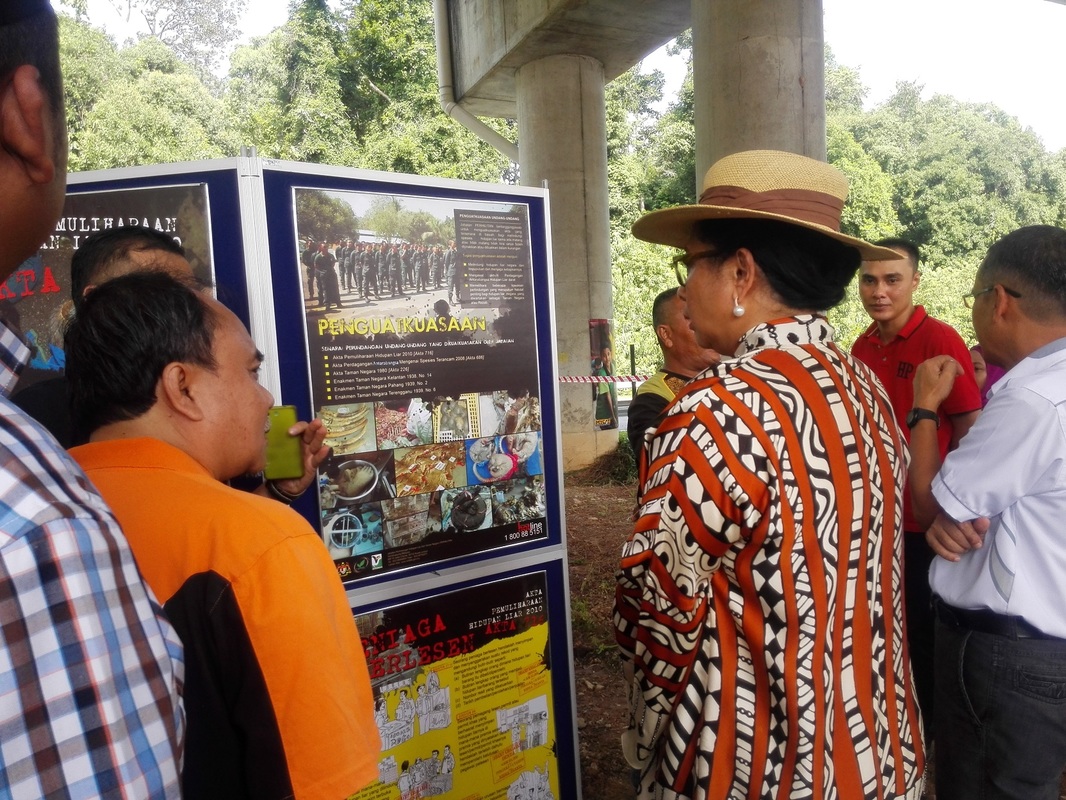
     Parked under the four-lane highway on a hot afternoon, the launch saw a gathering of guests made up of representatives of the alliance members; initiative supporters, including the Ministry of Natural Resources and Environment (NRE), Department of Wildlife and National Park Peninsular Malaysia (Perhilitan), Forestry Department, Public Works Department, Lipis District Council; the state assembly representative; and members of the local community.
Picture
Tengku Aishah officiating the event, alongside Dato’ Khairiah Mohd Shariff, Director Perhilitan Pahang; Dato’ Sr. Dr. Azimuddin Bahari, Deputy Secretary General II (Environment Management), NRE; and Dr. Kae Kawanishi, GM of MYCAT
Picture
Picture
Picture
In her speech, Dr. Kae Kawanishi called on all Malaysians to protect Mother Nature and all her animals. Highlighting the dwindling number of Malayan tigers, she said Rewilding Yu complemented MYCAT’s other initiative, Citizen Action for Tigers (CAT) Walk, in which volunteers patrolled tiger areas to remove snares and discourage poaching. Rewilding Yu’s target by 2020 is to plant half a million trees in the Tiger Corridor.
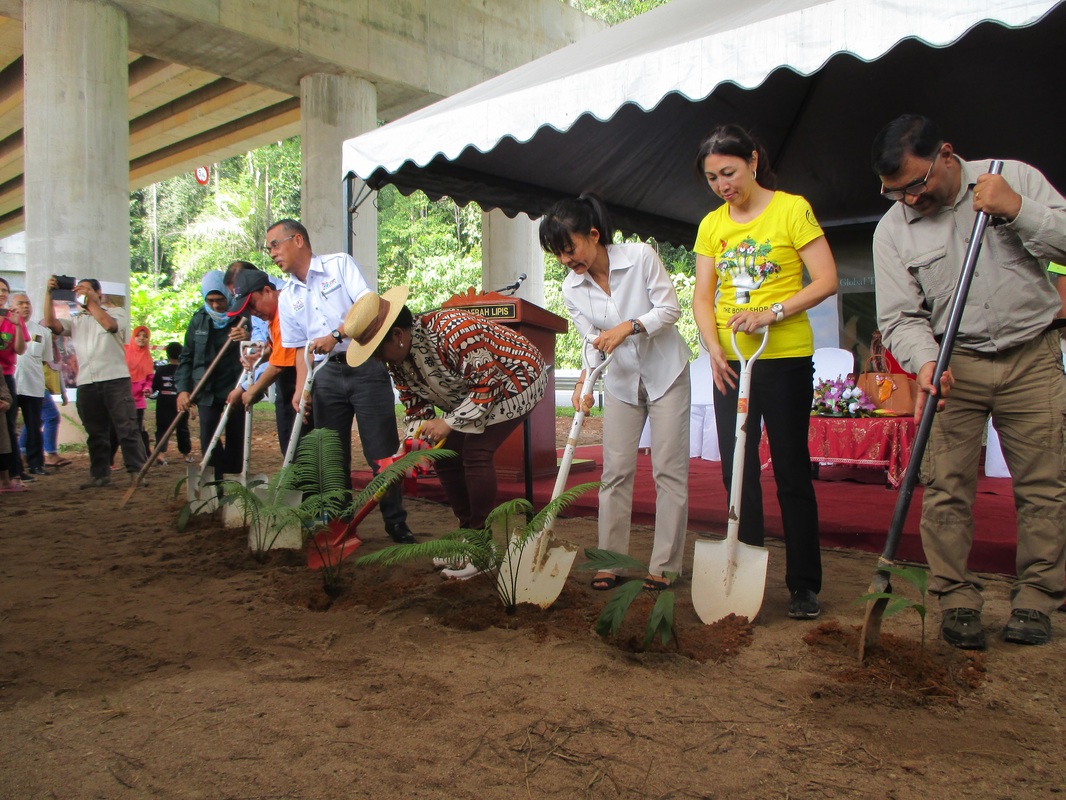
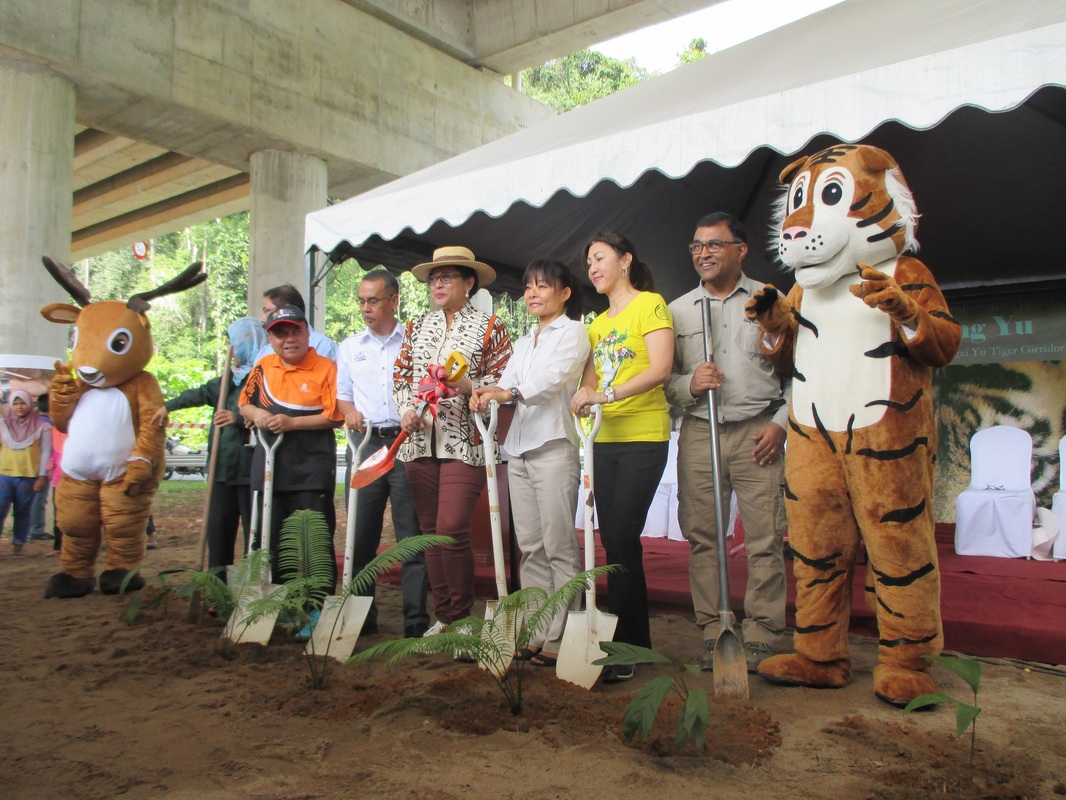
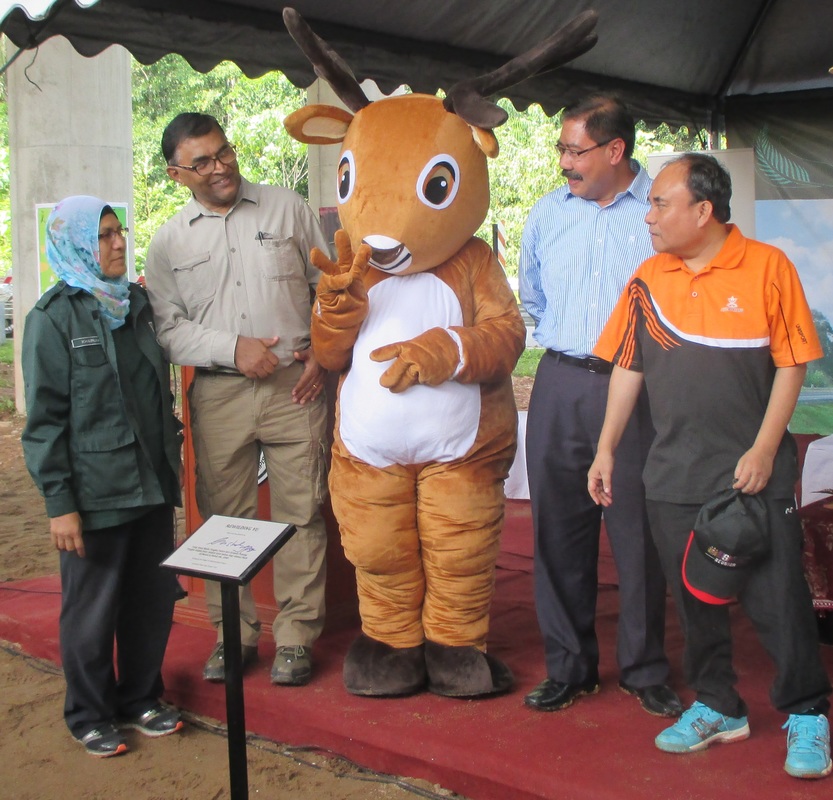
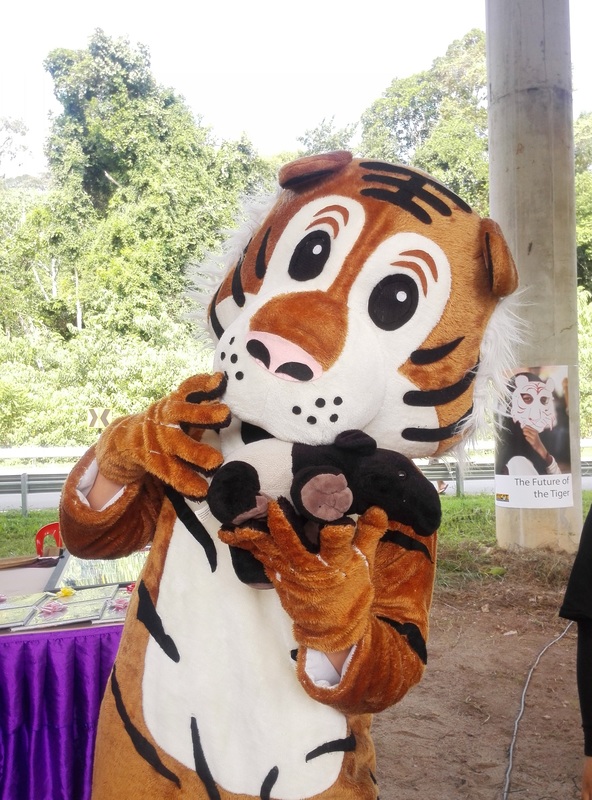
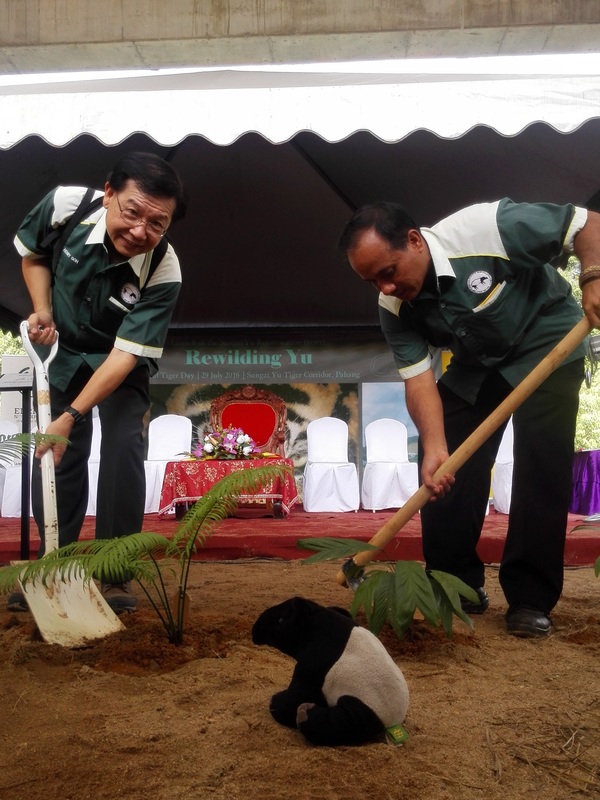
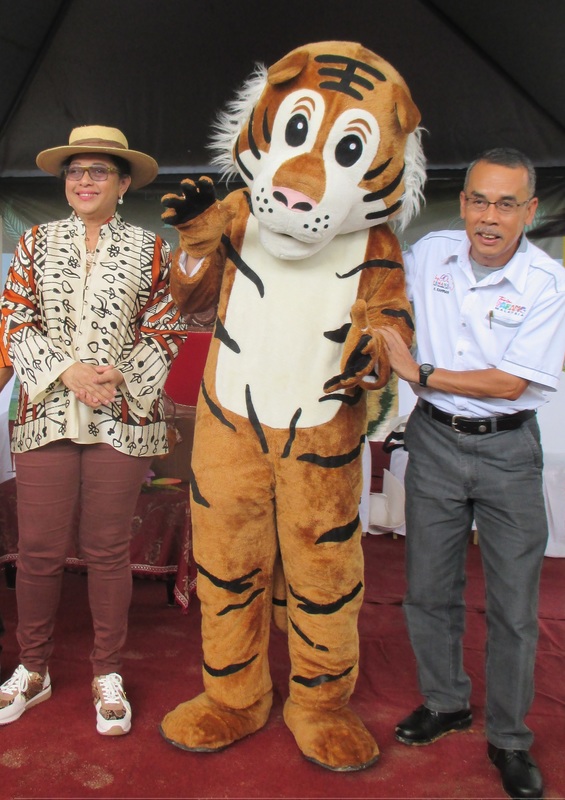
     Officiating the event, Tengku Aishah reiterated the need to protect Pahang’s forests, which were the largest remaining habitat able to support the Malayan tiger and other large mammals. Representing the Regent of Pahang, who was unable to attend owing to prior commitments, the Princess then sportingly wielded a shovel to ceremoniously plant the first trees in the Sungai Yu Tiger Corridor, and even took time to pose with mascots TJ the Tiger and Rus the Sambar.

Picture
Picture
Picture
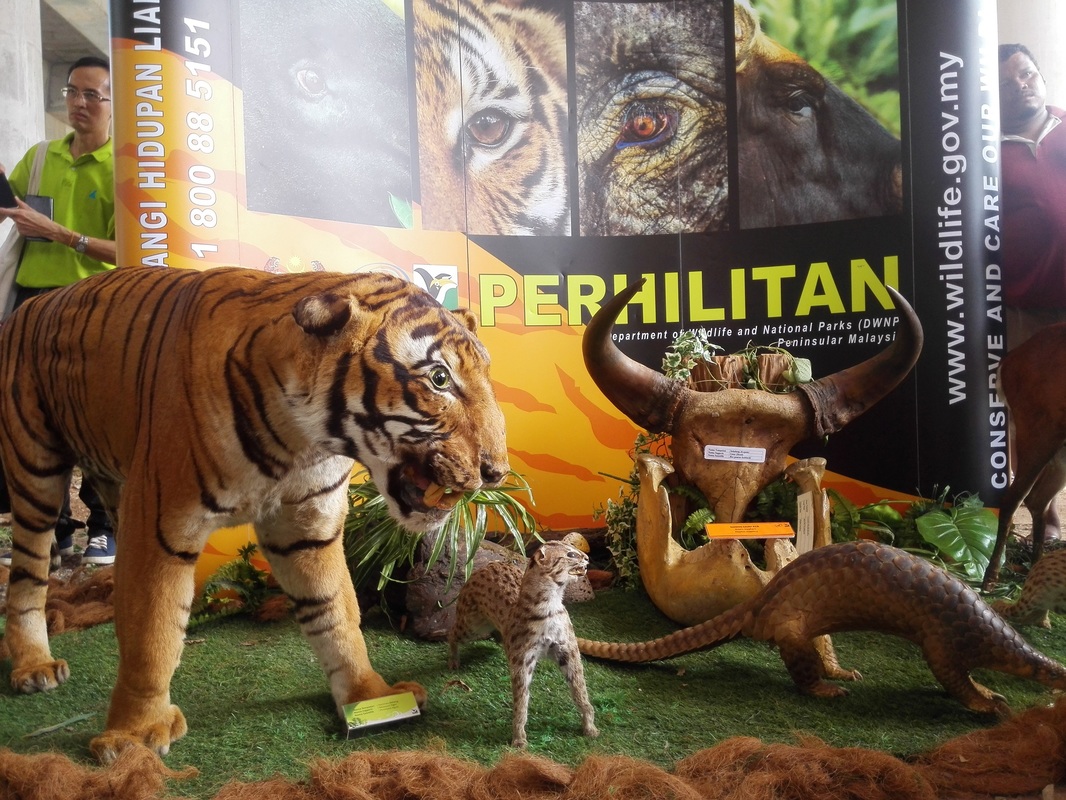
Tengku Aishah also took the time to pose with TJ the Tiger as well as visit displays set up by Perhilitan and MyCat.
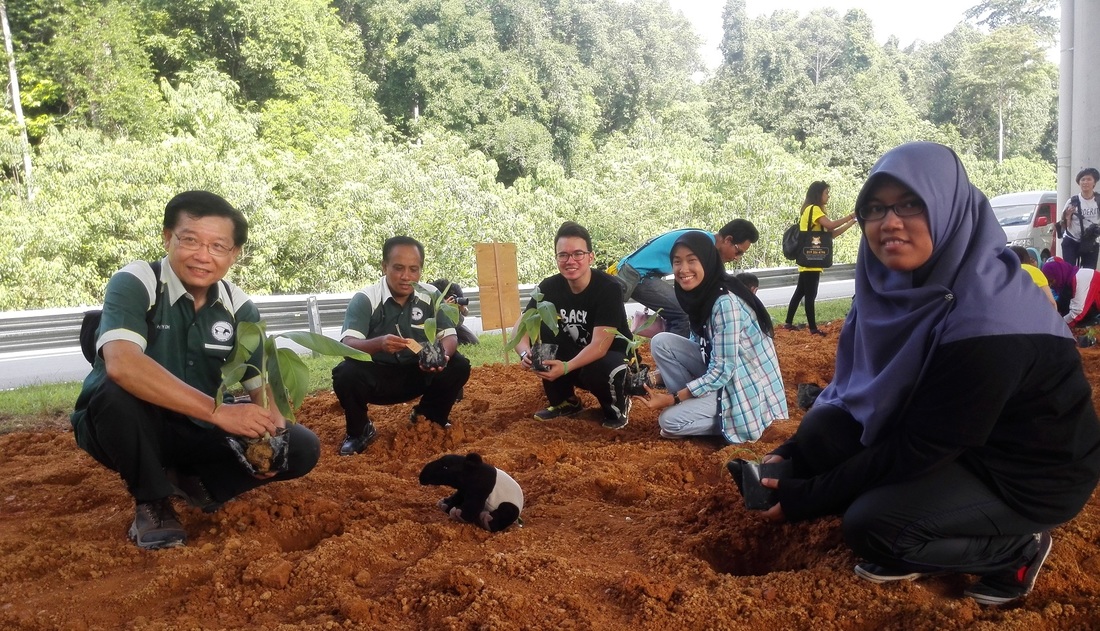
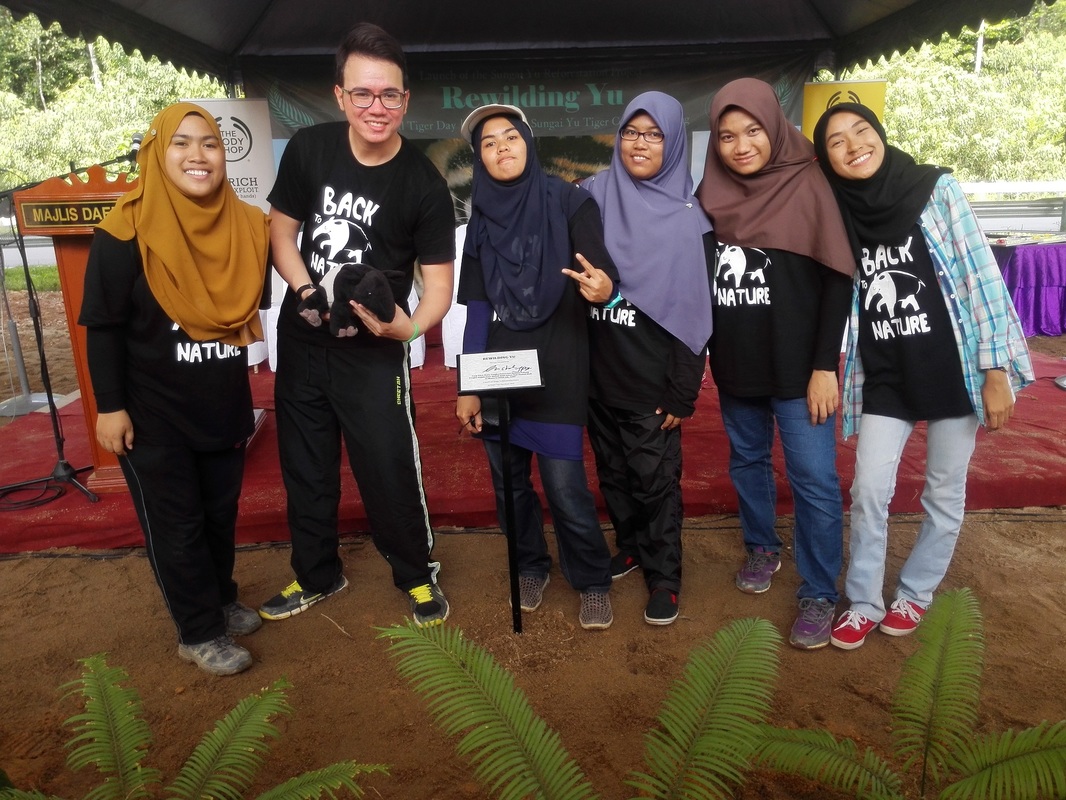
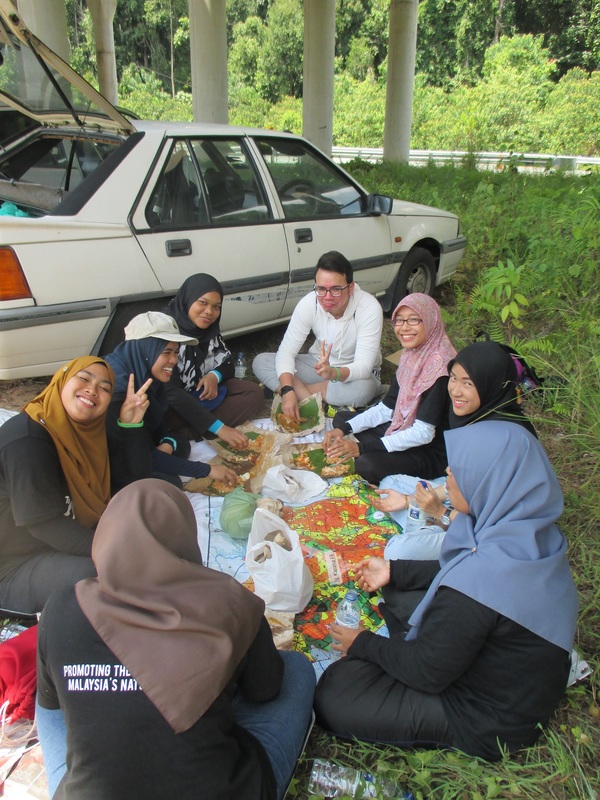
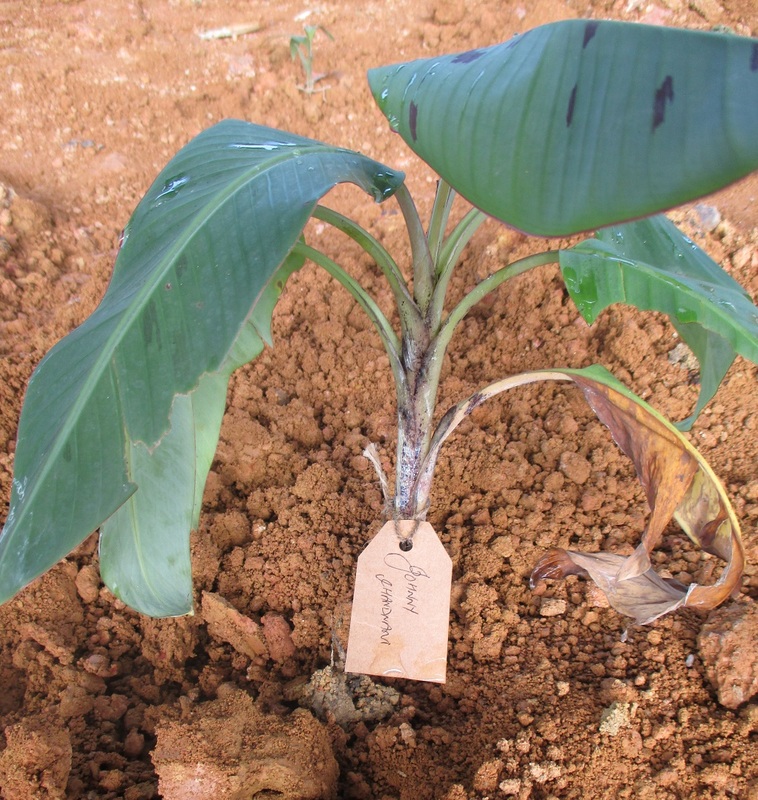
     Dozens of saplings, a mix of ferns, banana trees and palms, provided by MNS, were also planted by attendees, including MNS President Henry Goh and interns currently serving at the society from Universiti Putra Malaysia, Universiti Malaysia Terengganu and Universiti Malaya.
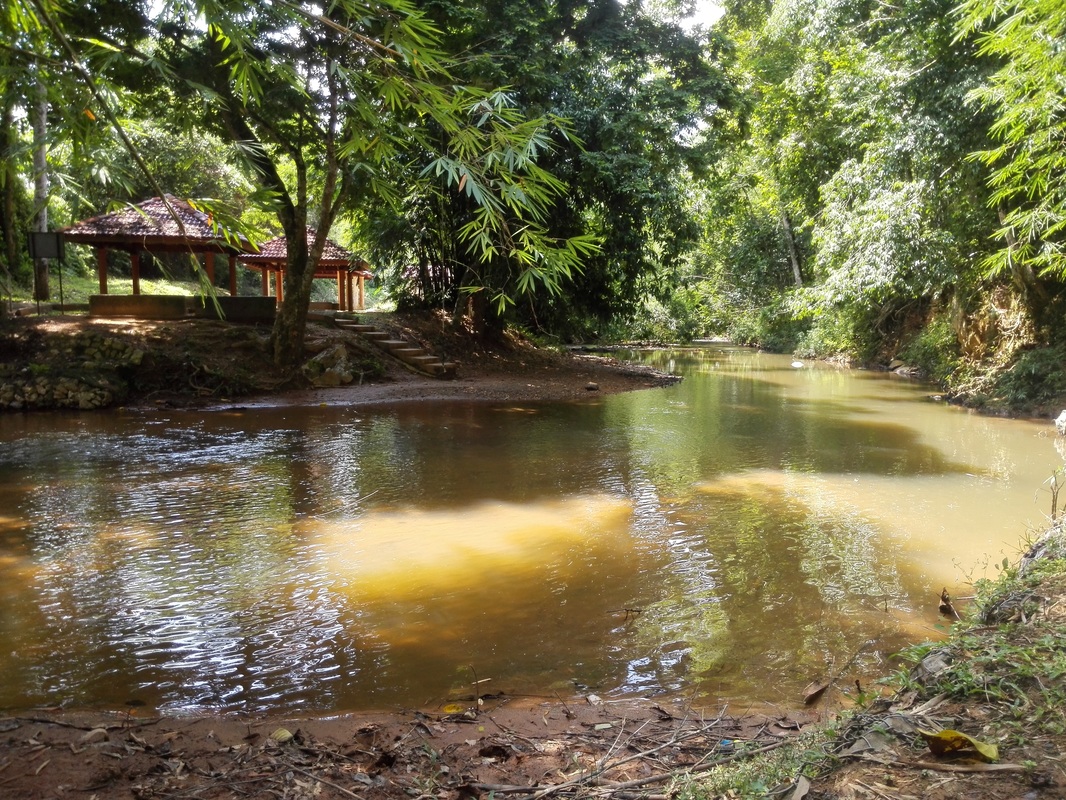
    The eco viaduct is situated in the vicinity of the Sungai Yu recreational area, where the actual river that runs through the Tiger Corridor. The major highway has replaced the original road from Kuala Lipis to Merapoh.

Picture
MNS President Henry Goh, MNS Head of Conservation Balu Perumal, the Society's interns and Mamat the Tapir leaving their mark at Sungai Yu
Picture
Picture
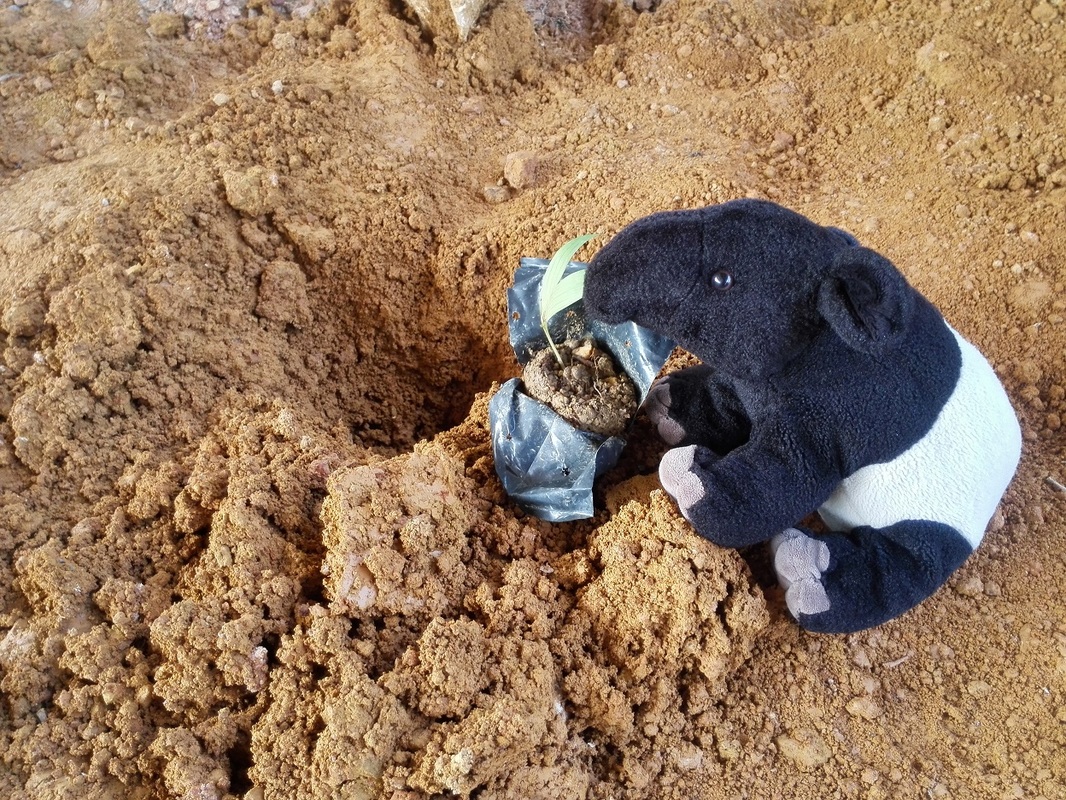
TJ, Mamat is not for noms! TJ the Tiger and Mamat the Tapir ham it up to bring attention to the plight of the country's large mammals. The forests of Pahang are the last bastion of these creatures, which are increasingly endangered. Right: Mamat helping to plant a tree.
Picture
Picture
Picture
Picture
Picture
Picture
The eco viaduct, under an elevated section of the new highway from Kuala Lipis to Merapoh, is situated in the vicinity of Sungai Yu and connects the forest areas in the Main Range and Taman Negara Pahang
1 Comment

snakes

4/5/2016

0 Comments

 
0 Comments
    Picture

    #4naturelah
    #mnswildlife warrior

    Championing God's creatures, great and small

    Archives

    November 2019
    July 2019
    July 2018
    September 2016
    August 2016
    May 2016

    Categories

    All
    Bears
    Mammals
    MyCat
    Replanting
    Rescue
    Save The Sun Bear
    Tiger

    RSS Feed

Powered by Create your own unique website with customizable templates.